Scotland #9: Orkney
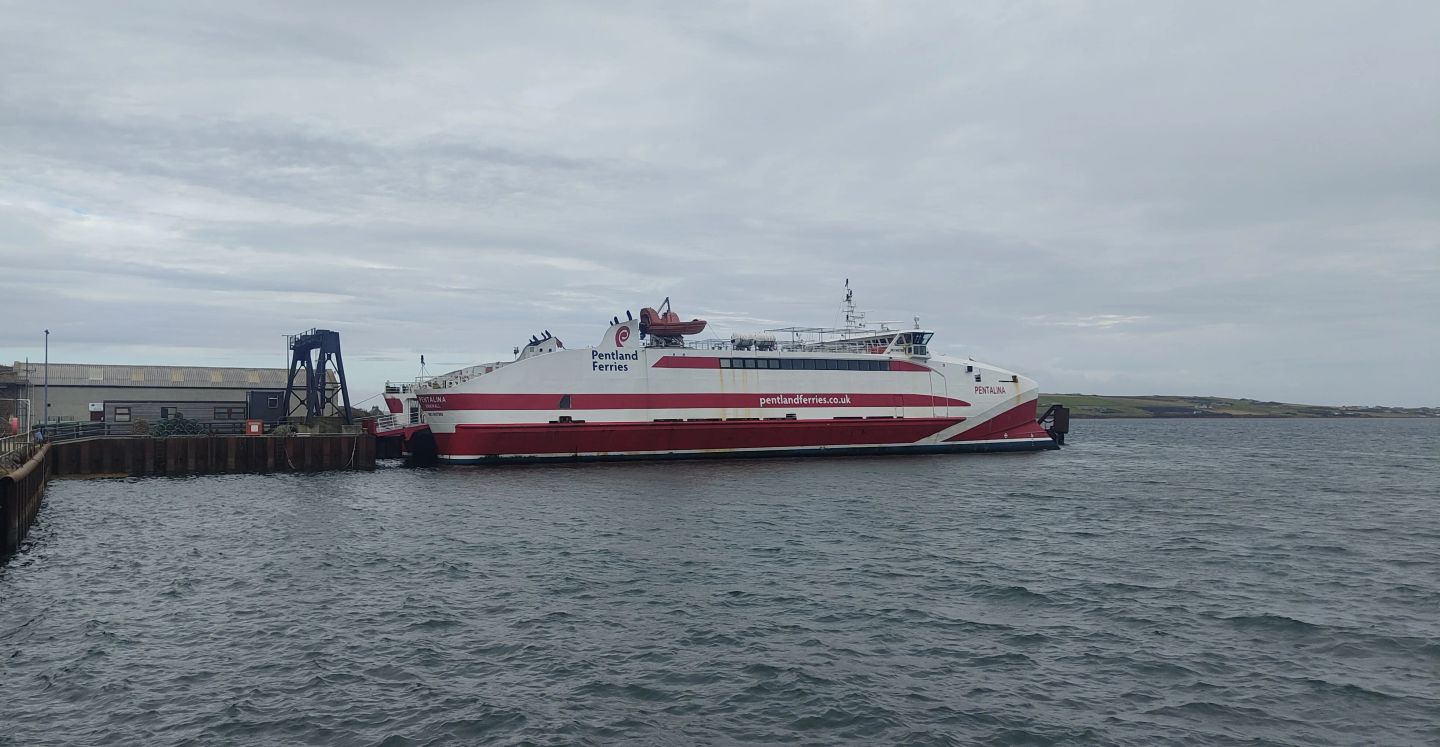
After a rough night in which we woke up every two hours due to some beeping noises in the corridor we took the ferry to the Orkney Islands.
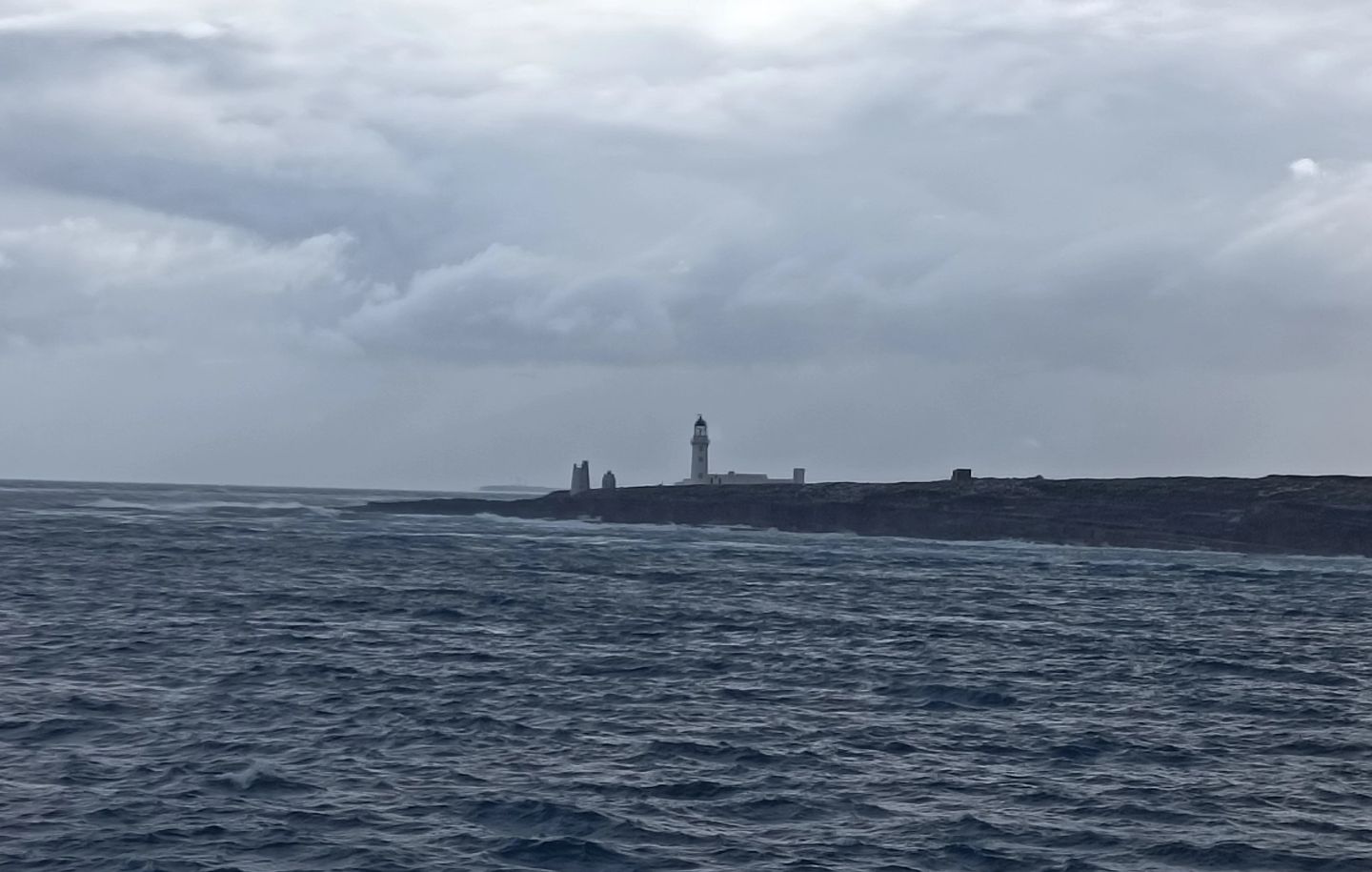
We arrived at St Margaret’s Hope on one of the more southern islands and drove immediately to it’s south coast.
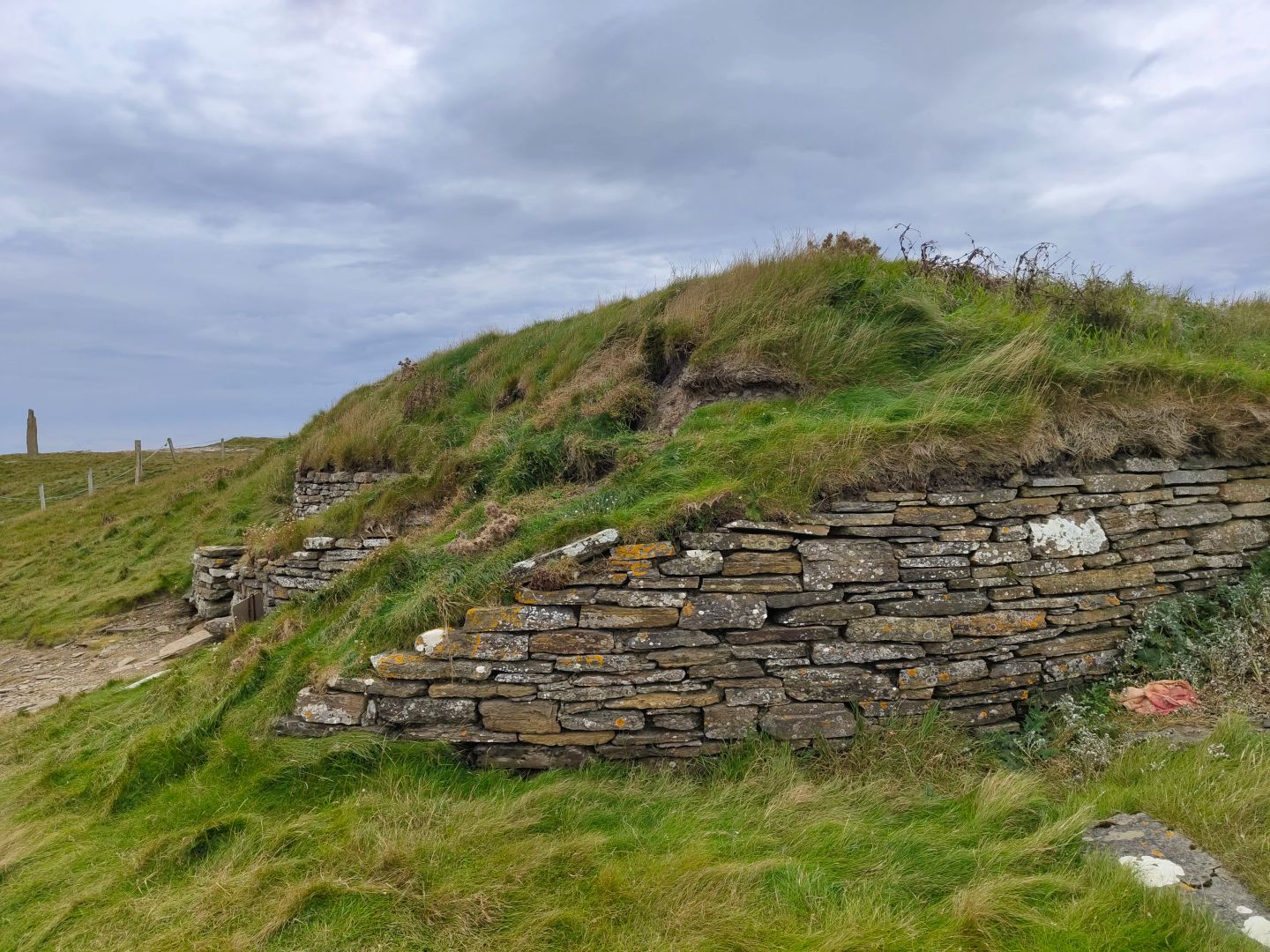
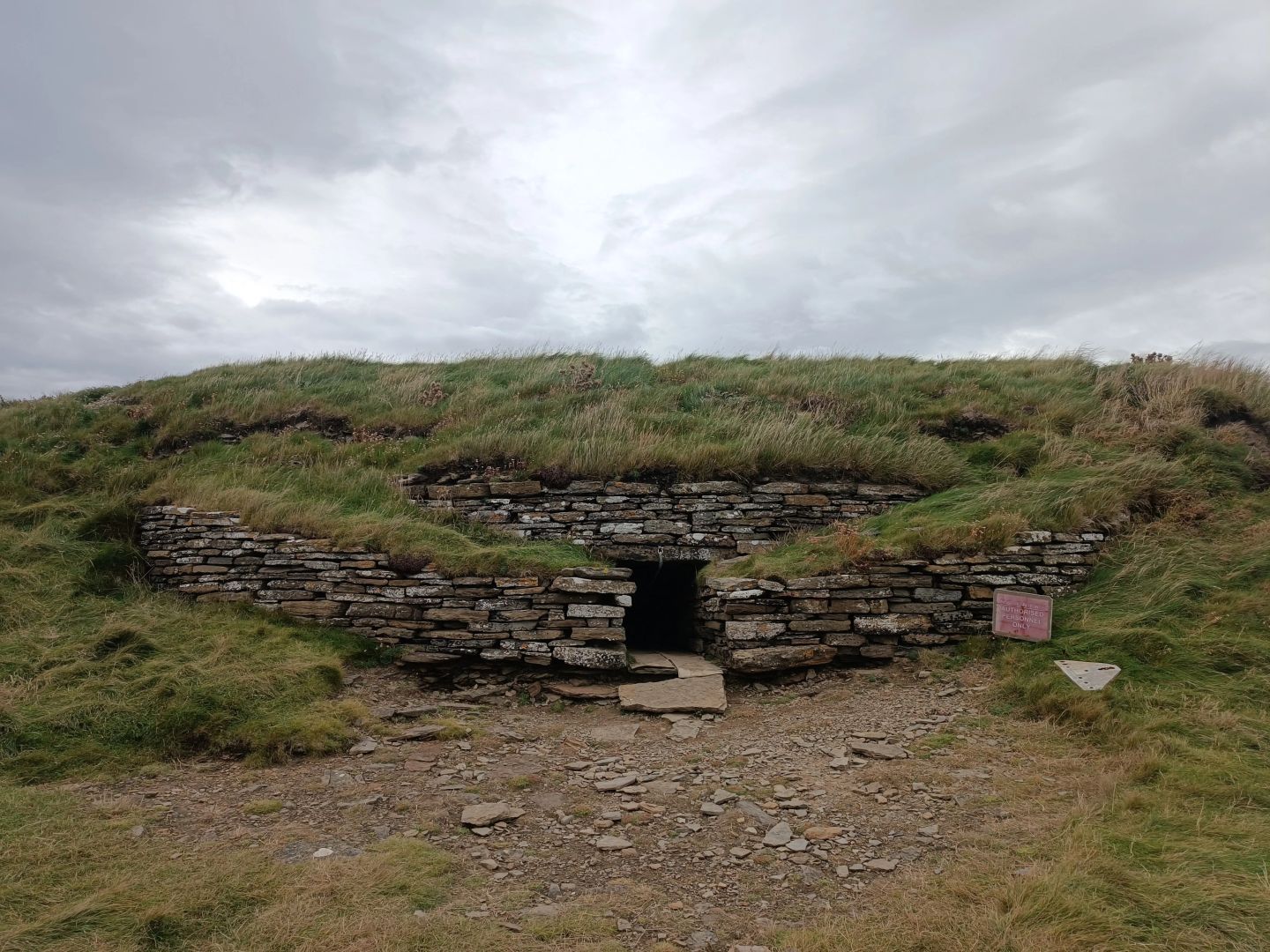
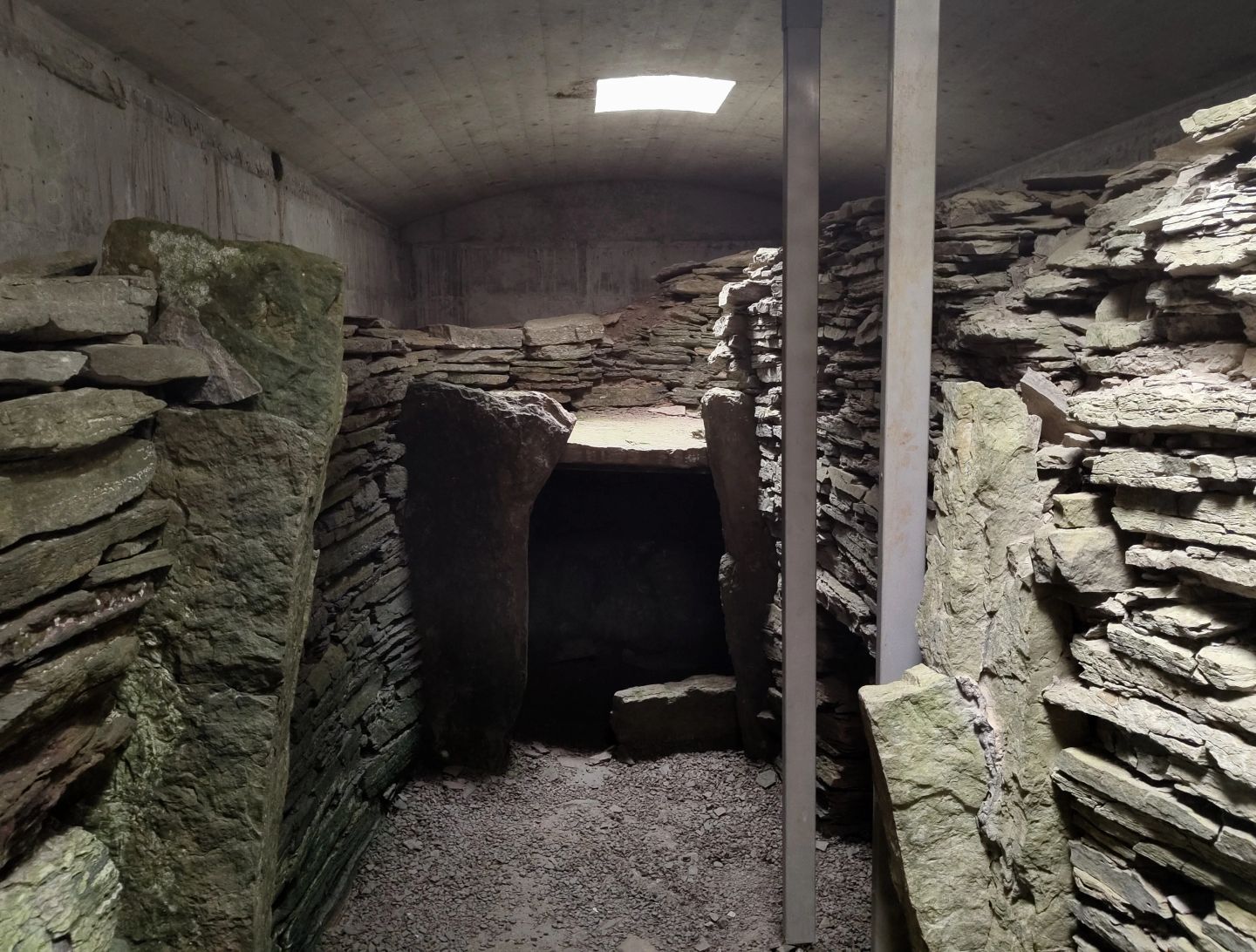
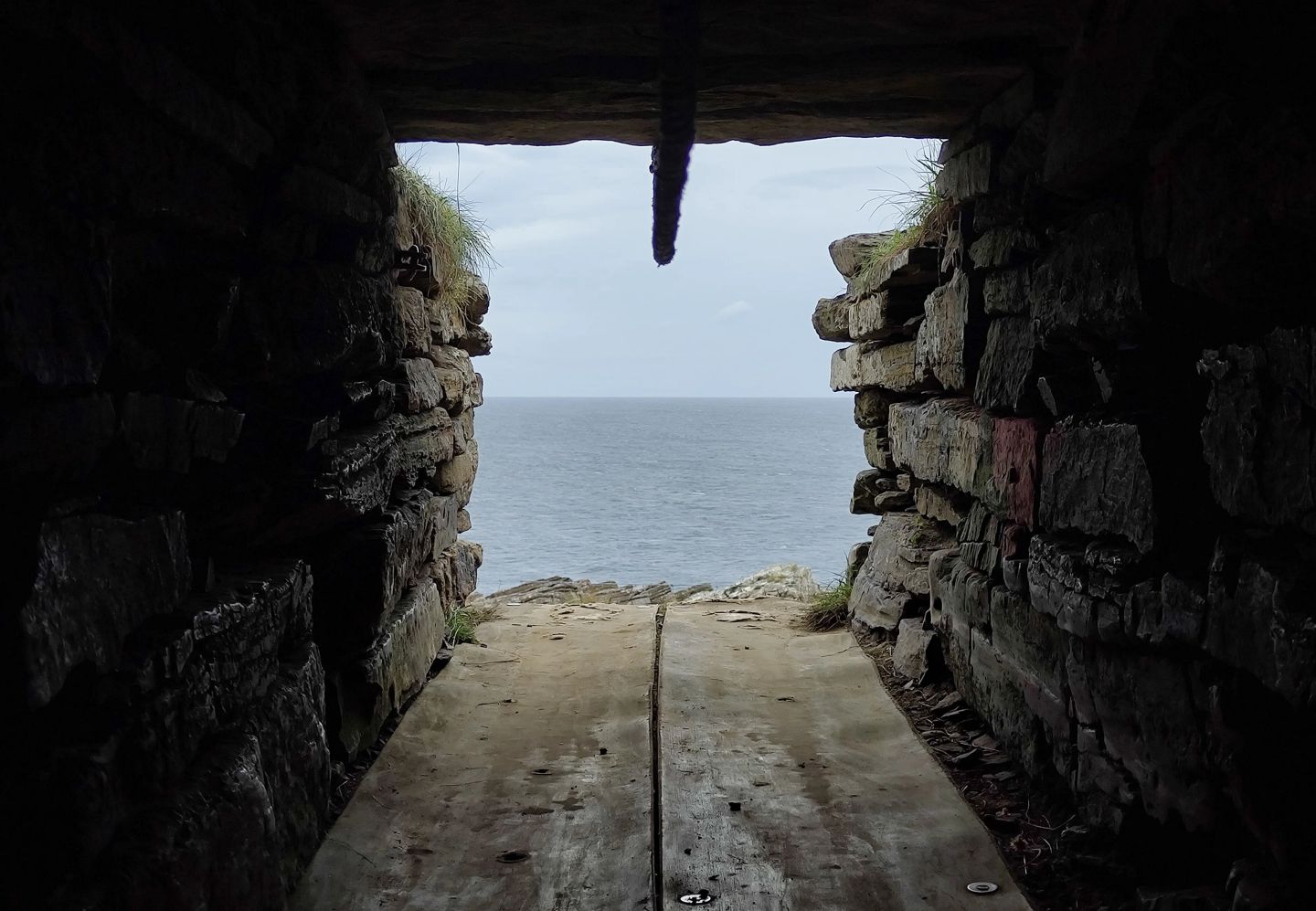
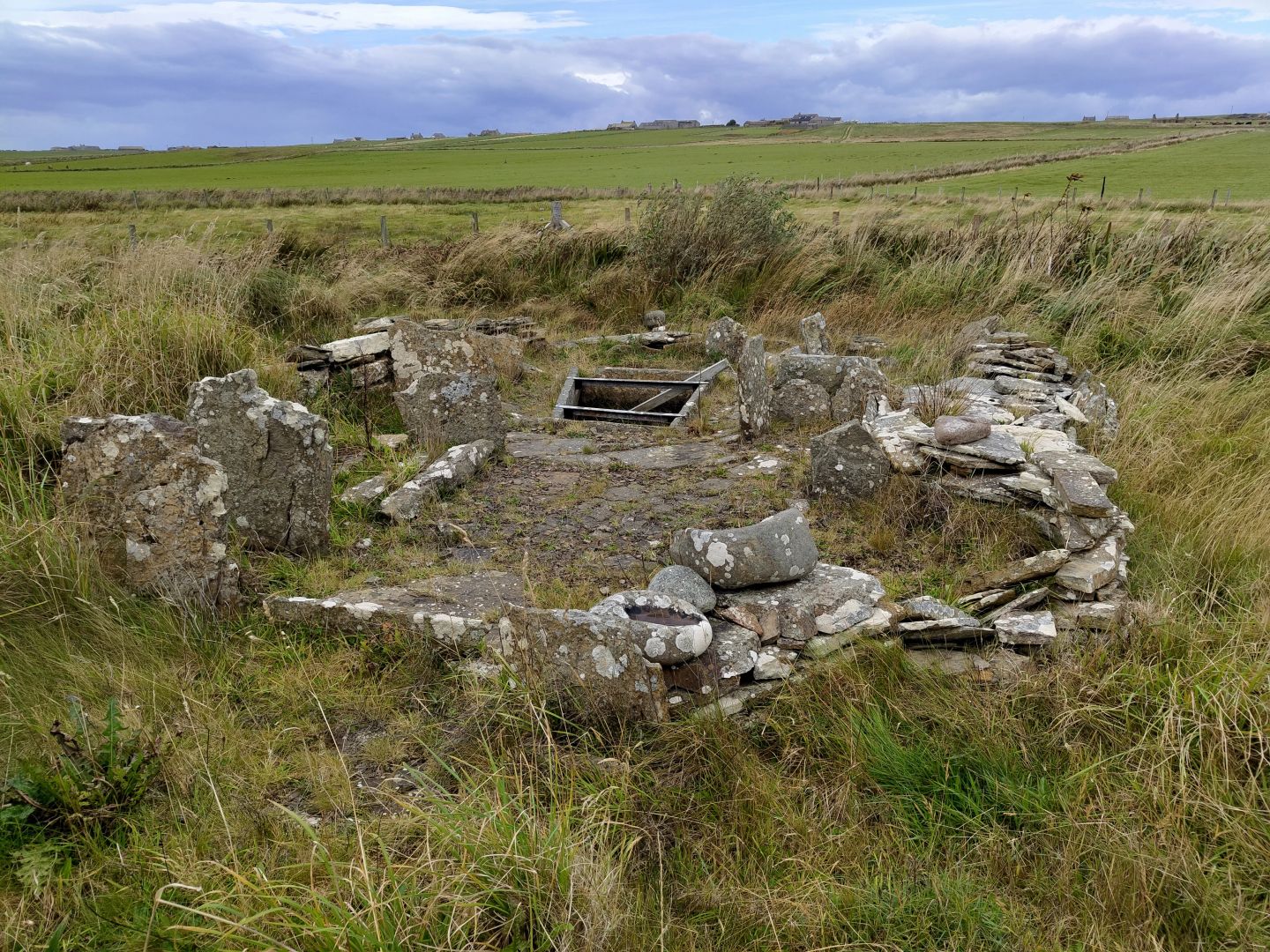
The first location we visited was the Tomb of the Eagles. It’s an around 5000 year old grave and got it’s name from the sea eagle bones that they found at the entrance. Interestingly enough there is a similar grave with otter bones instead of sea eagle bones as an offering (you can guess the name!).\ It was found by a local farmer who saw a stone sticking out of the ground and was curious to take a look. This changed his life quite a bit and he started to become a hobby archaeologist as well.\ One of his findings was that the entrance was built so the sun shines perfectly into the tomb on sunrise twice a year.\ To share his findings with everyone he opened up the museum that we visited.
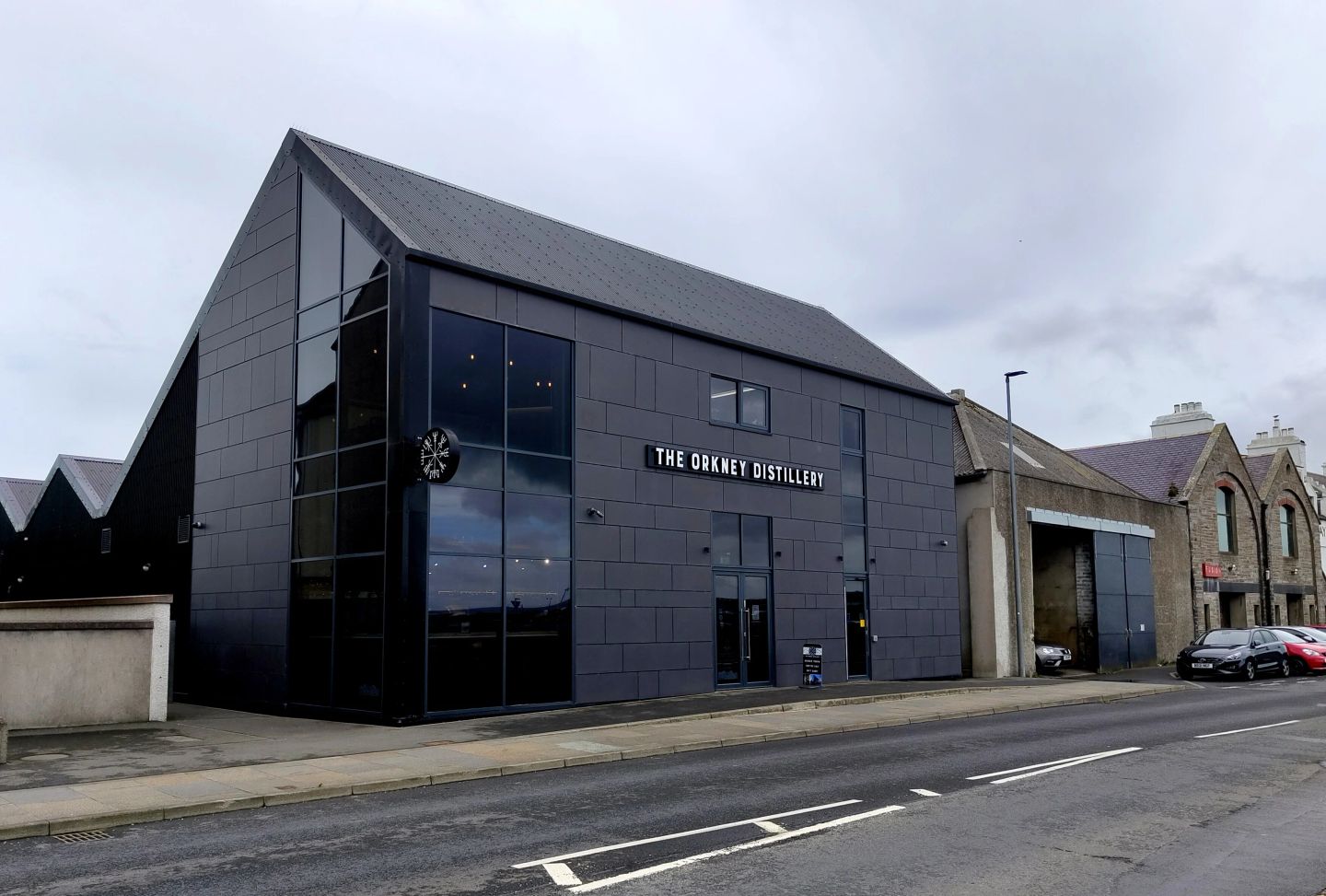
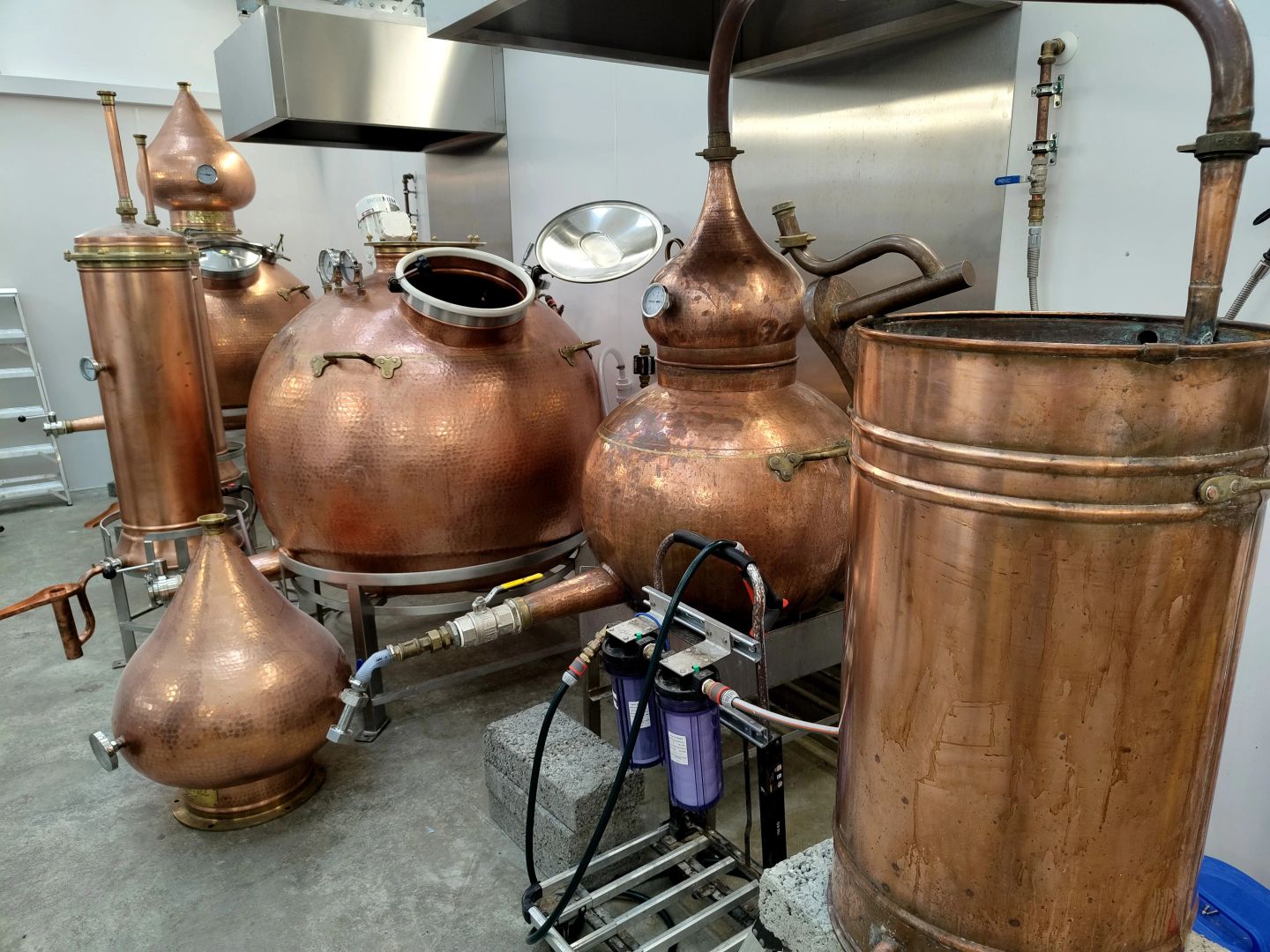
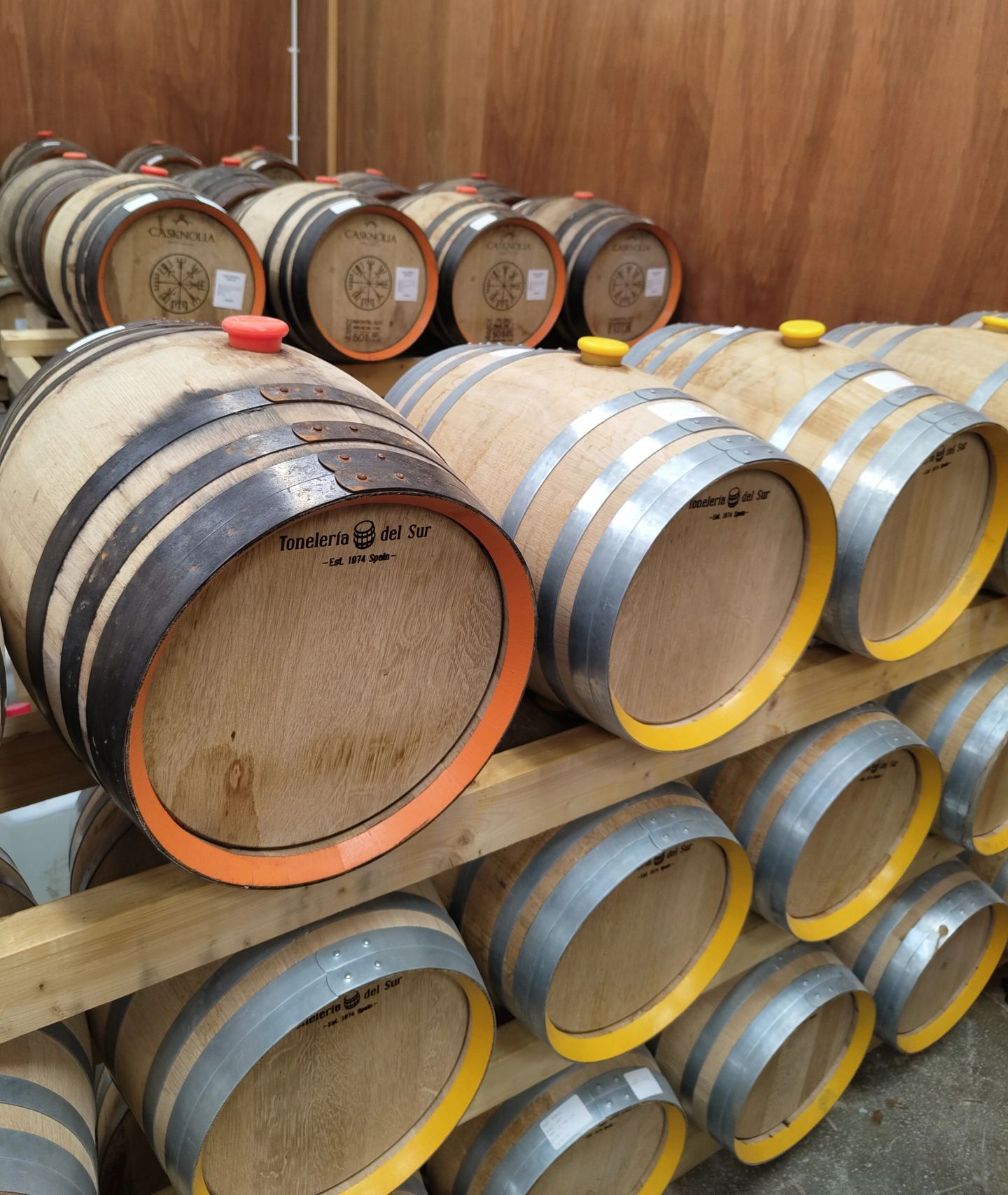
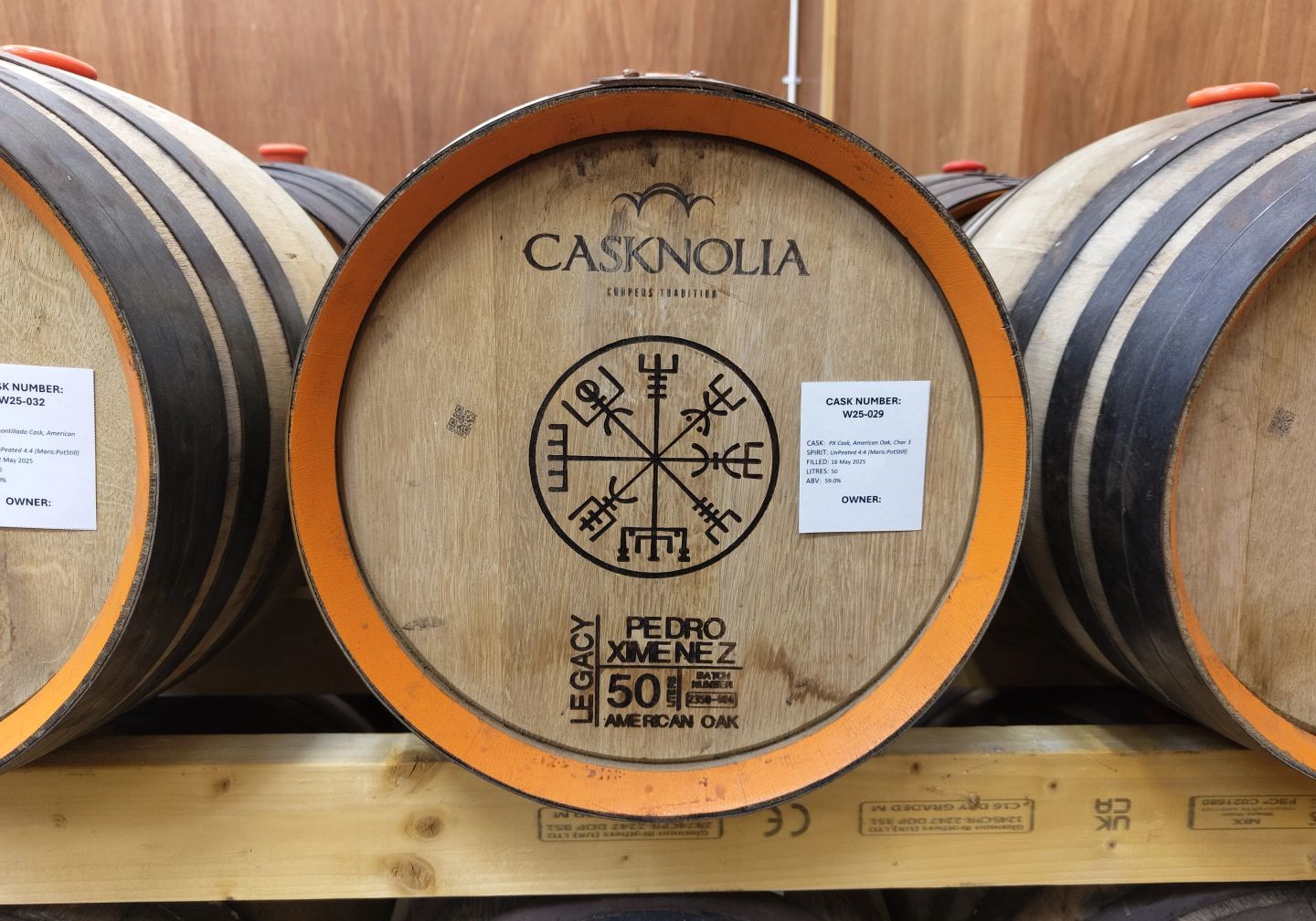
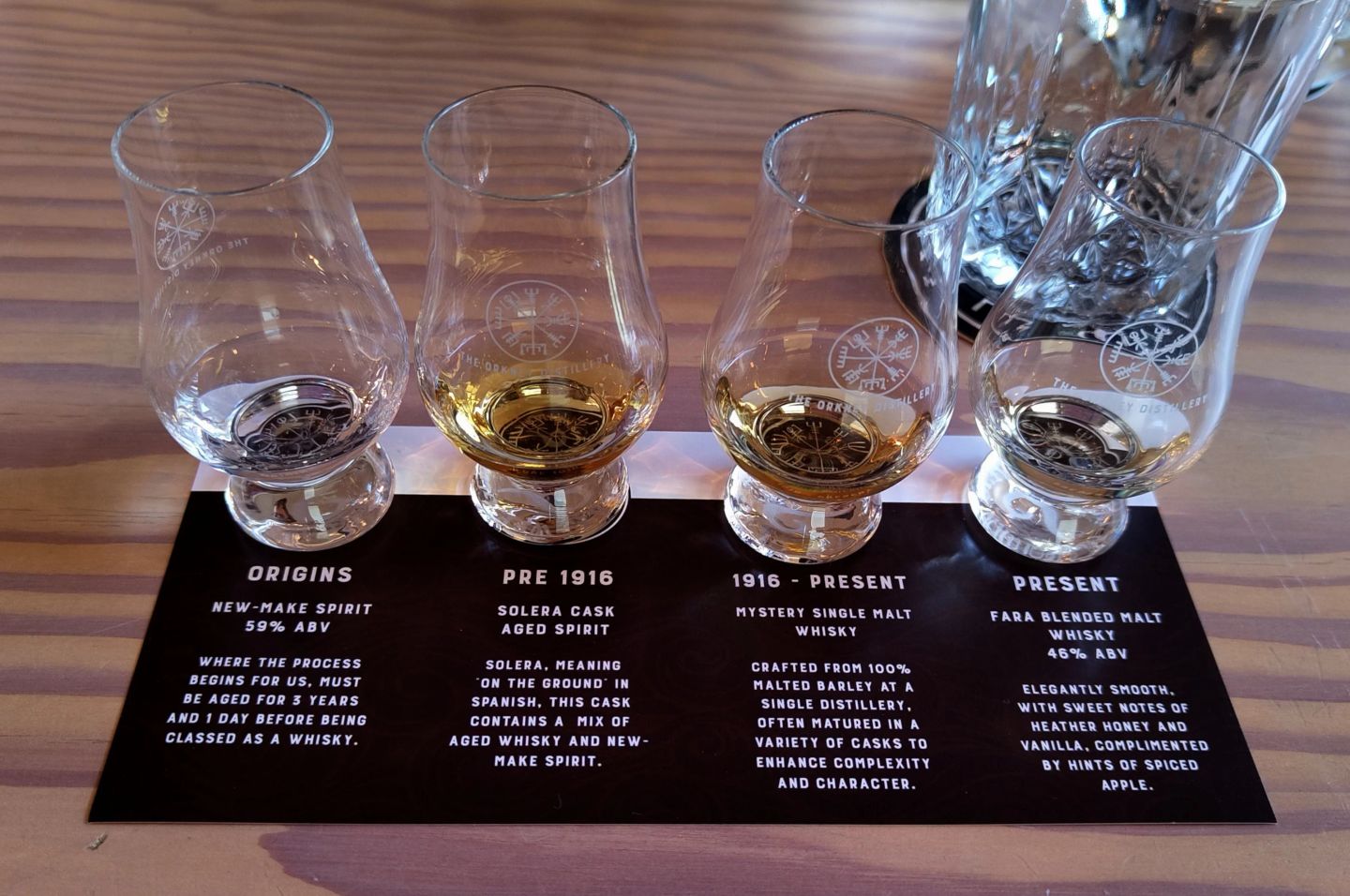
After seeing a lot of old stones we took a look at something modern: The Orkney Distillery.\ It’s a small distillery in Kirkwall that started with Gin and one and a half years ago also stepped into Whiskey production.\ This approach is very common for new Whiskey labels due to the fact that you can produce Gin in a day and earn a living from day 2. Now compare it to single malt scotch whiskey where you need a bit more than three years. After these three years you still have to hope that what you produced is good enough for people to buy it.
The tasting itself was interesting due to the fact that it was a Whiskey history lesson. In the beginning people drank the distilled whiskey right after it was distilled. And only after they shipped it in oak barrels people realized that storing it for a while improves taste quite a bit.
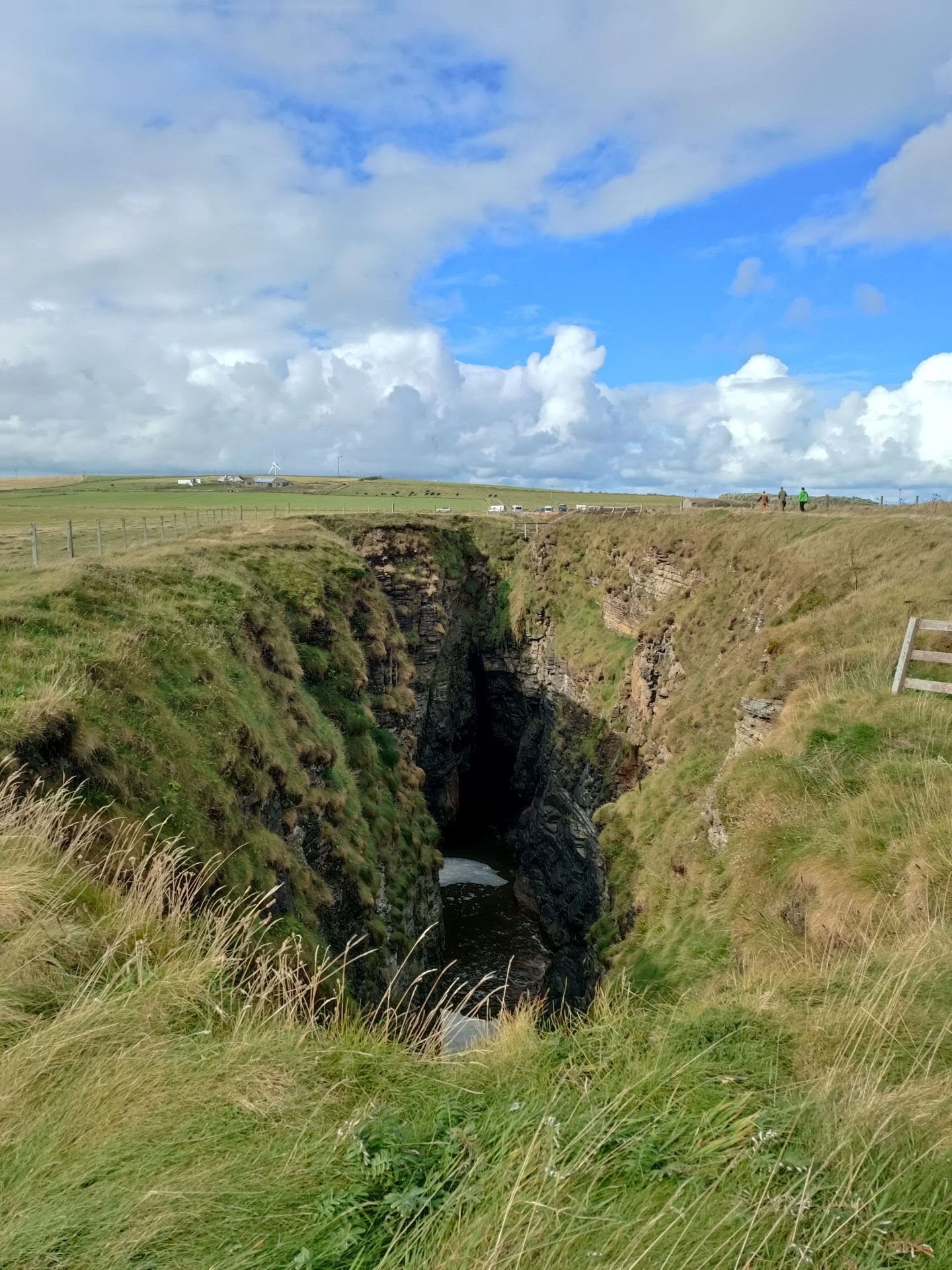
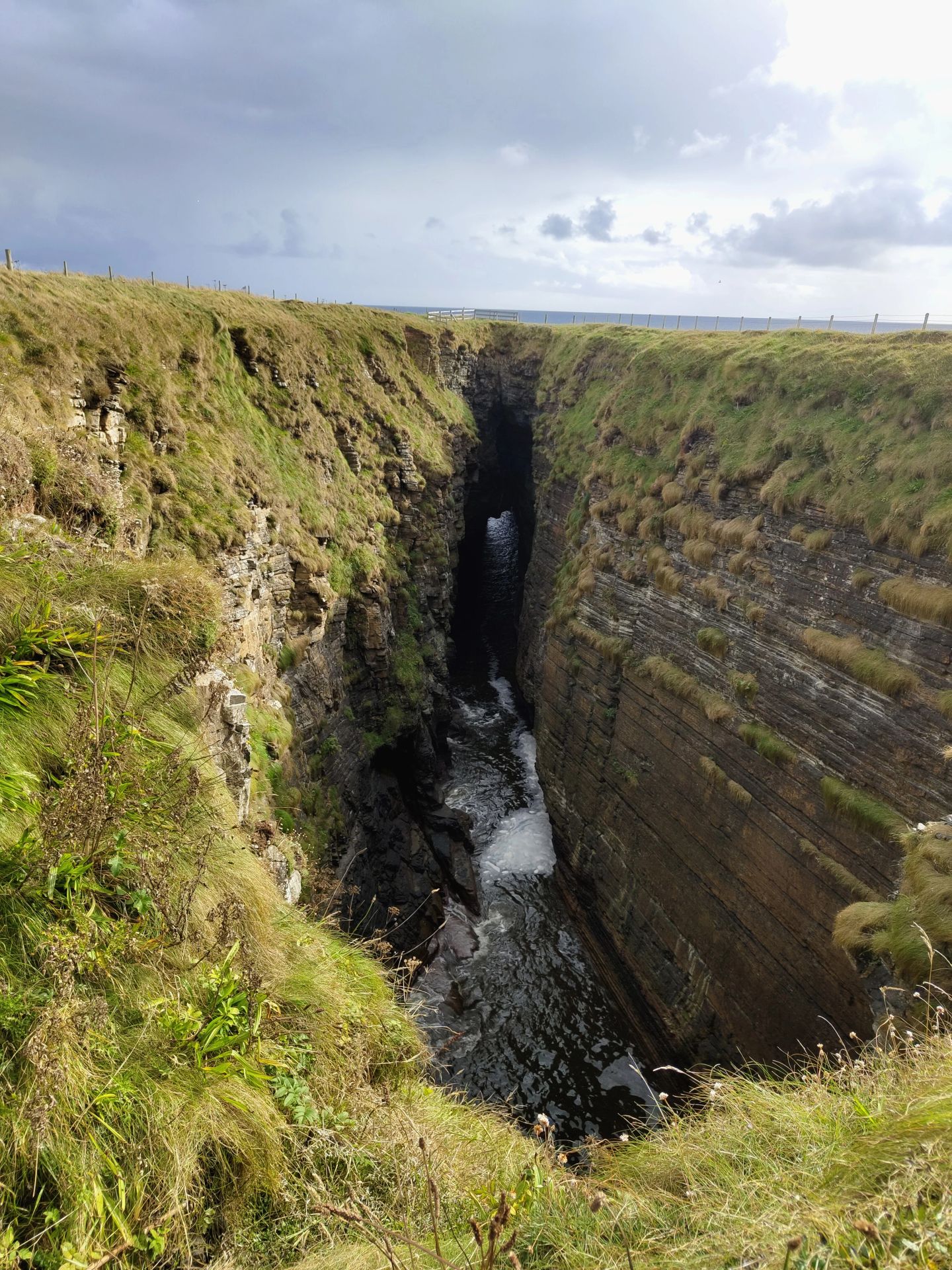
The next morning we headed to the east of the island to visit The Gloup. It is a collapsed sea cave that after it rained also features a cute little waterfall on one side of it. But as you can see the weather was too good recently.
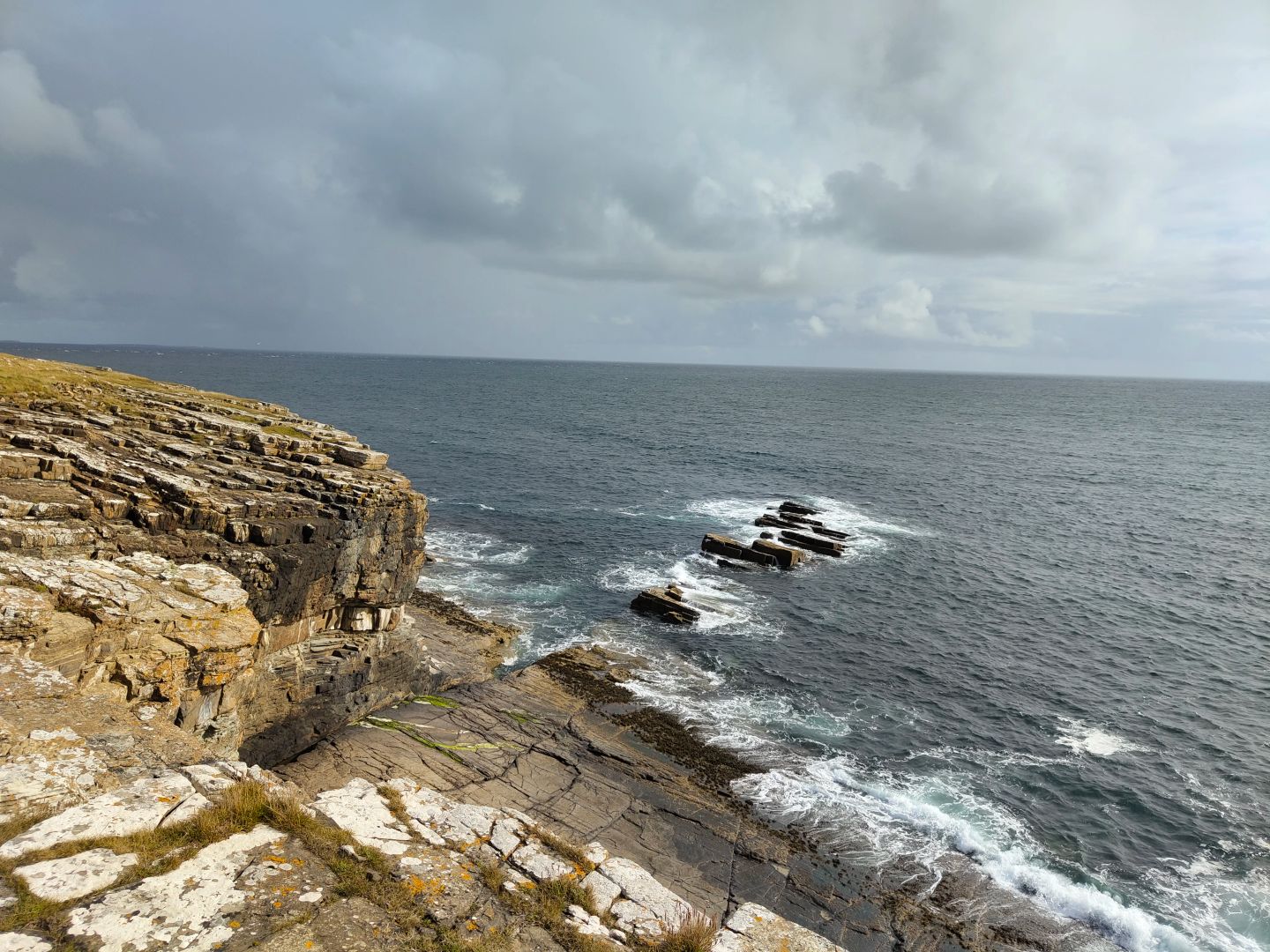
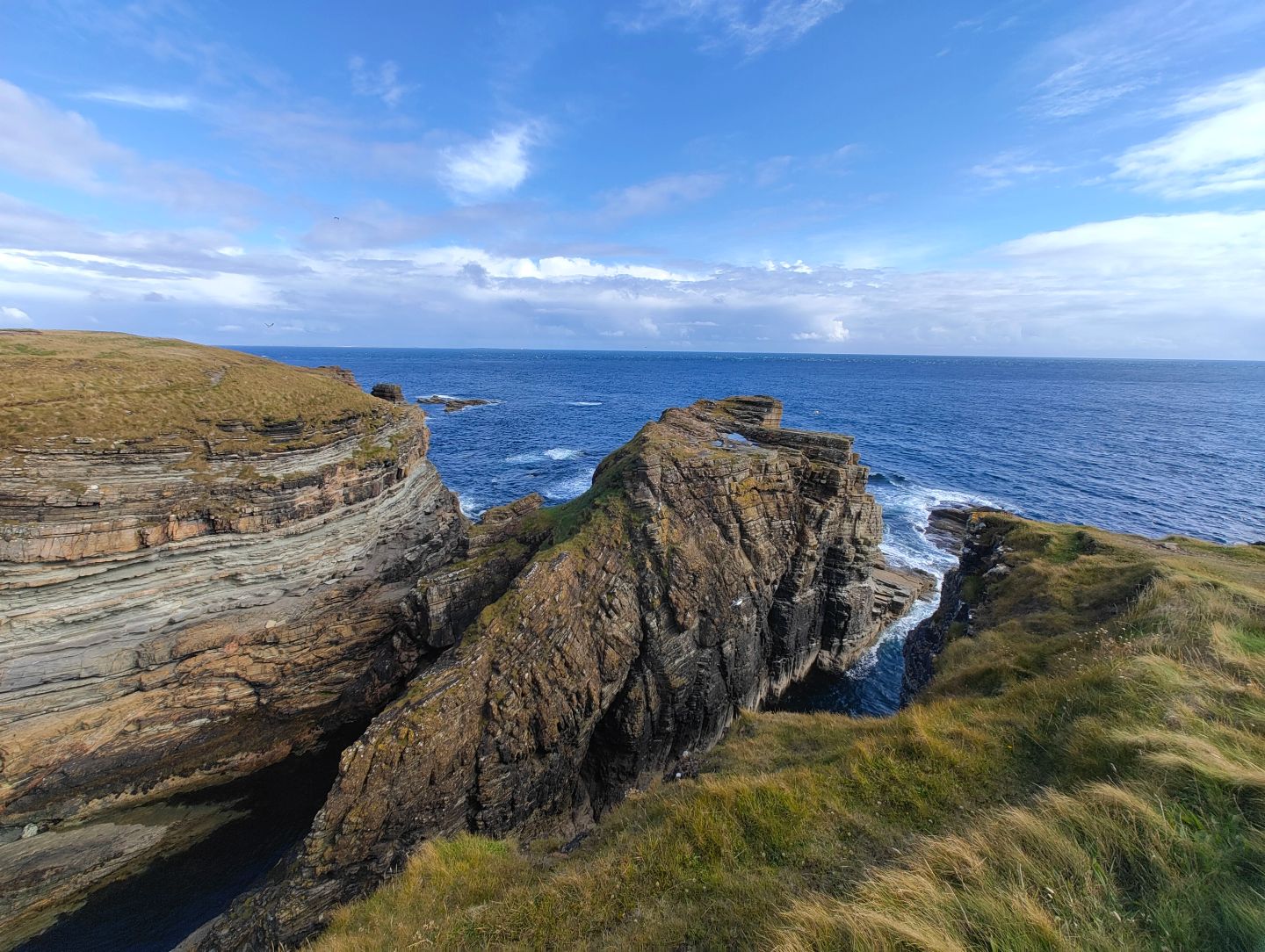
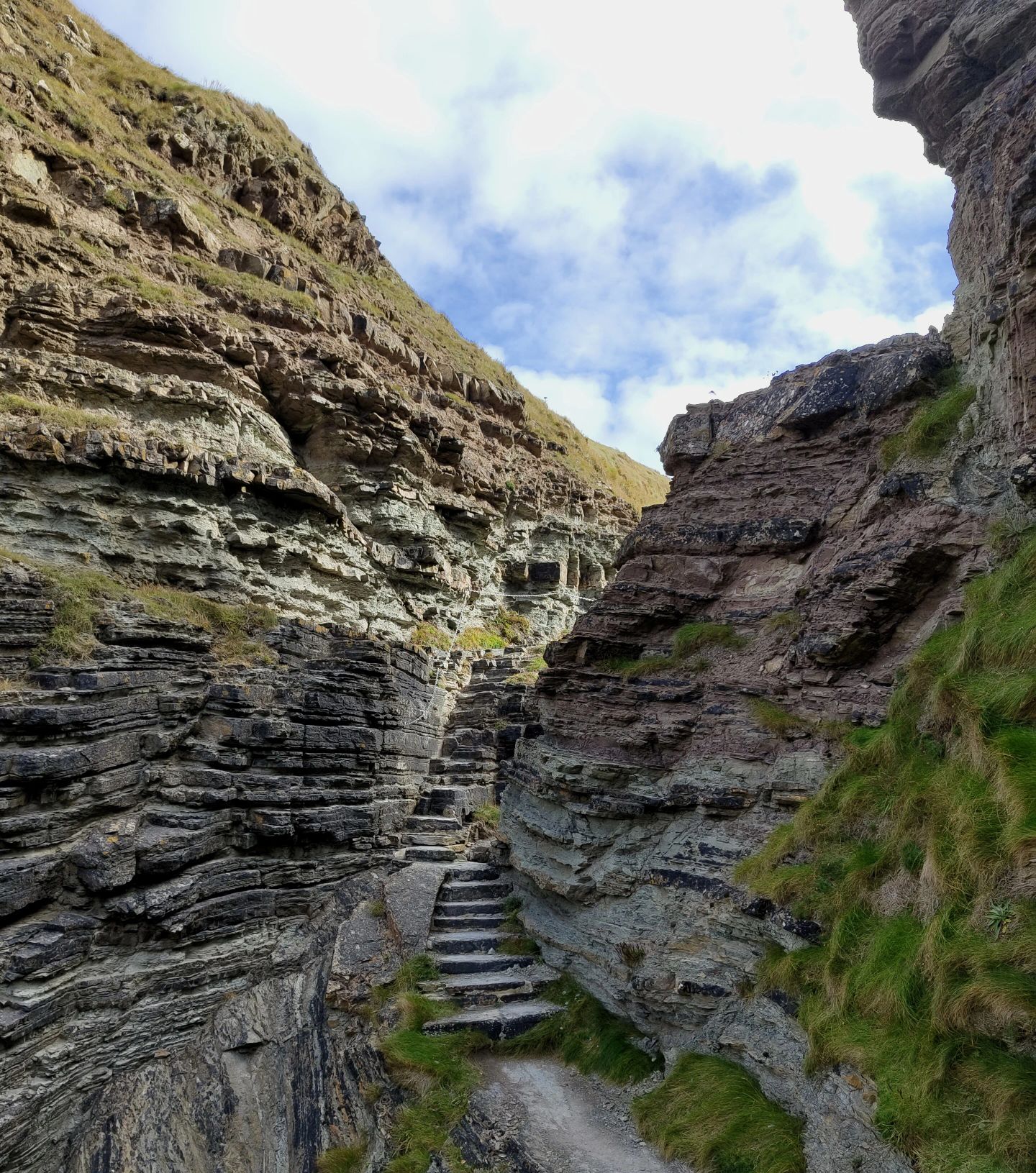
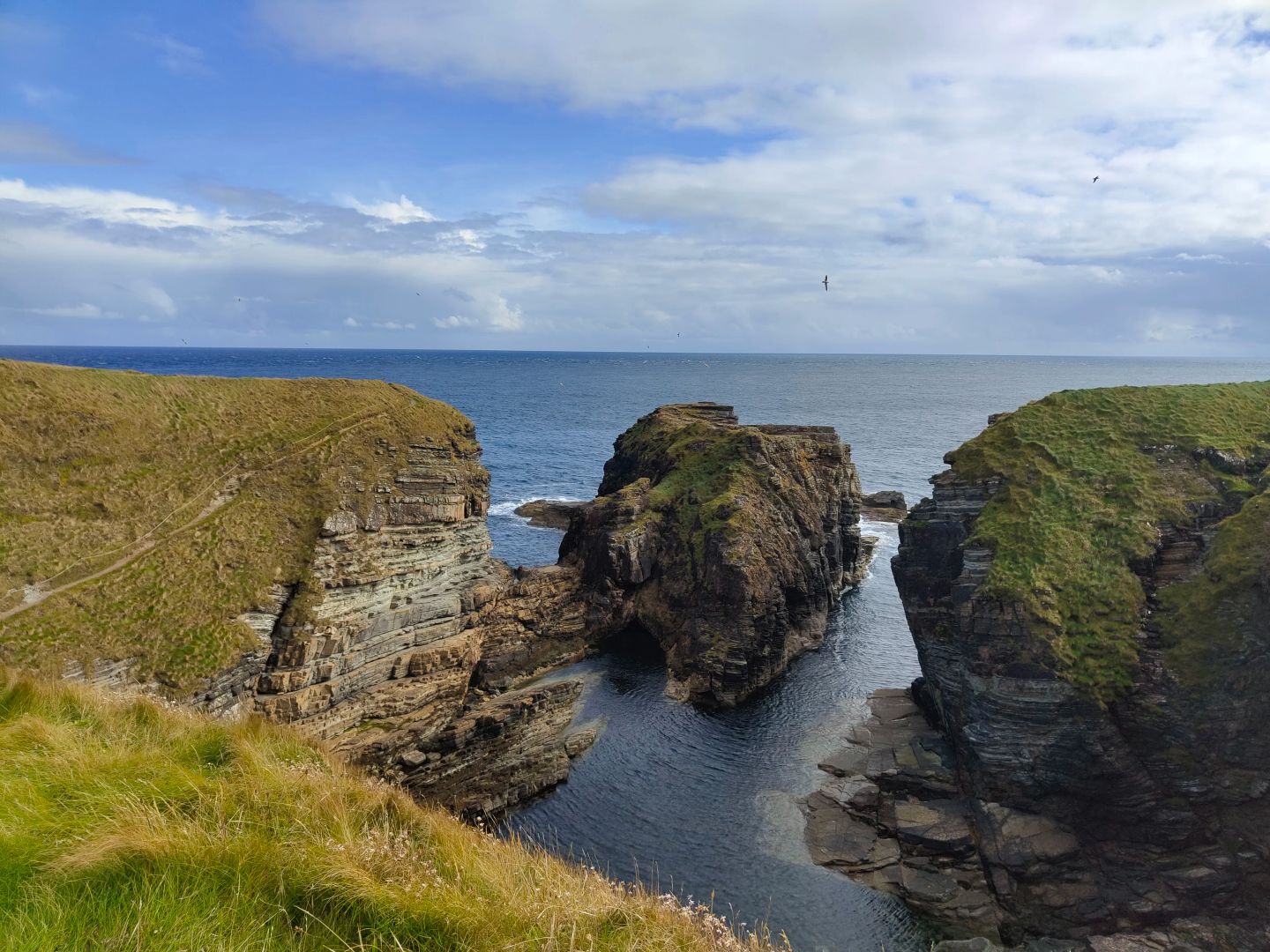
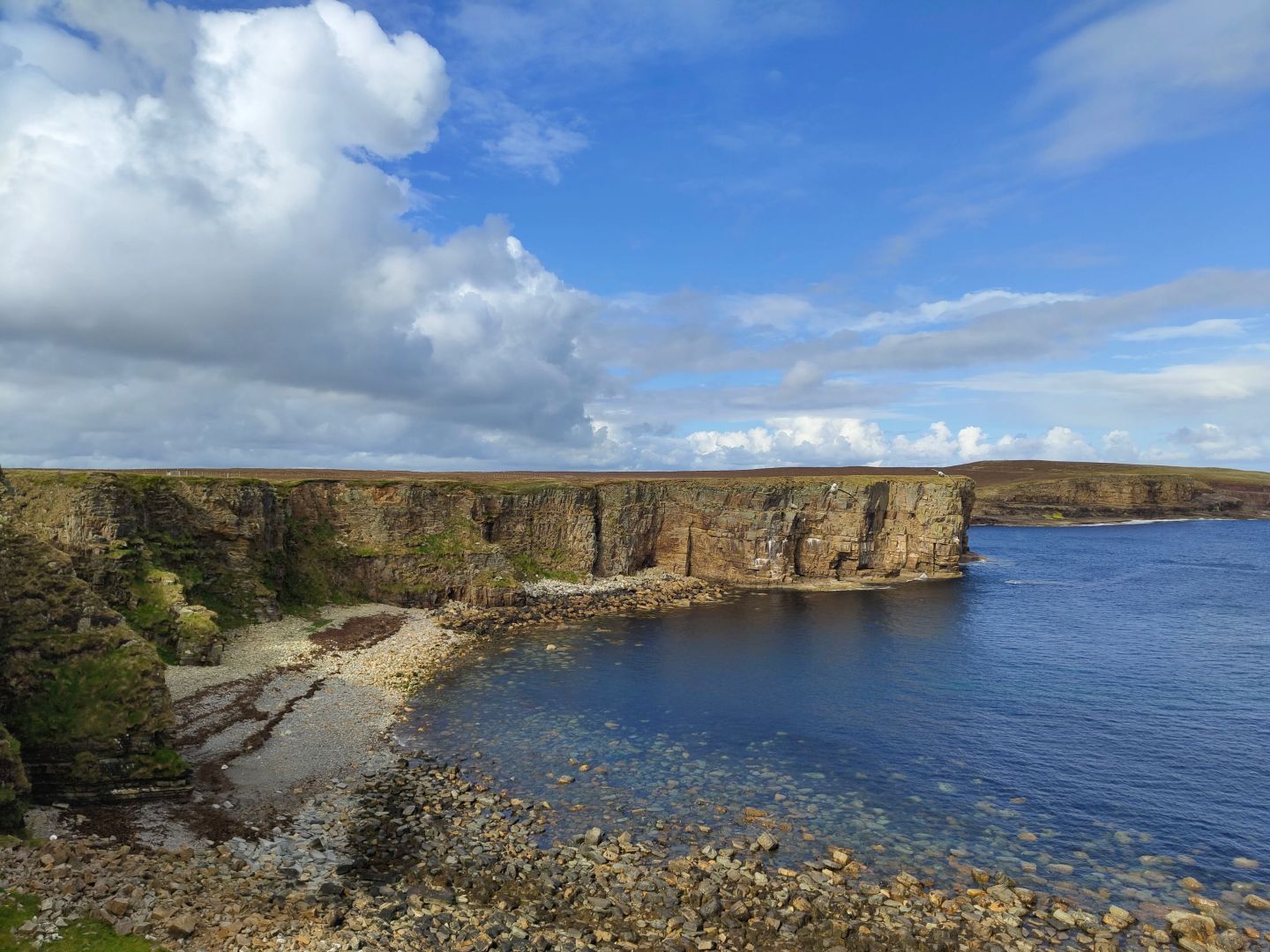
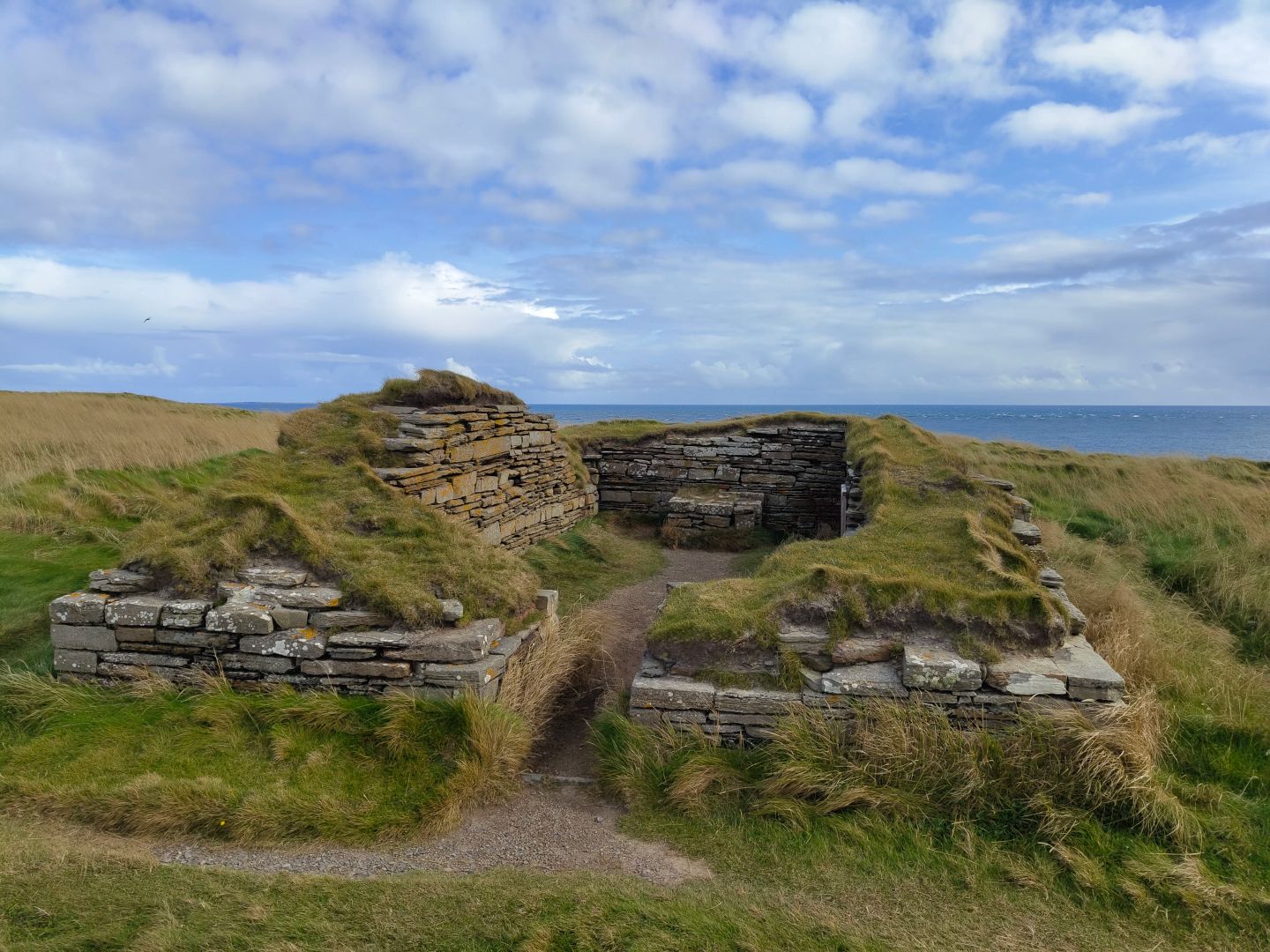
After the Gloup we followed the incredibly looking coast a bit to the Brough of Deerness.\ A brough is a tidal island meaning that it only becomes an island when the tide is high.\ On that island used to be a small village where you could visit the remains of an pre-Norse church.
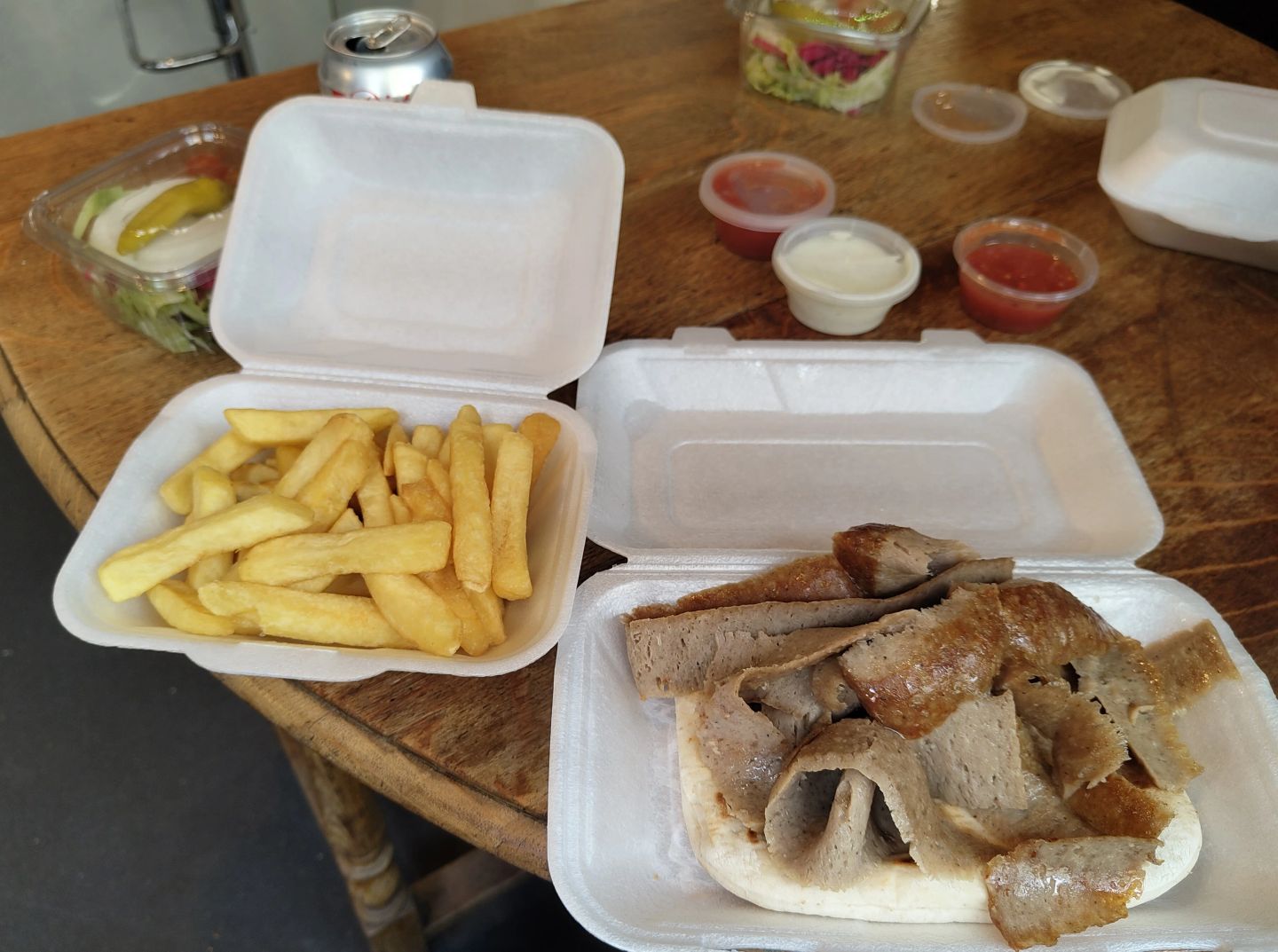
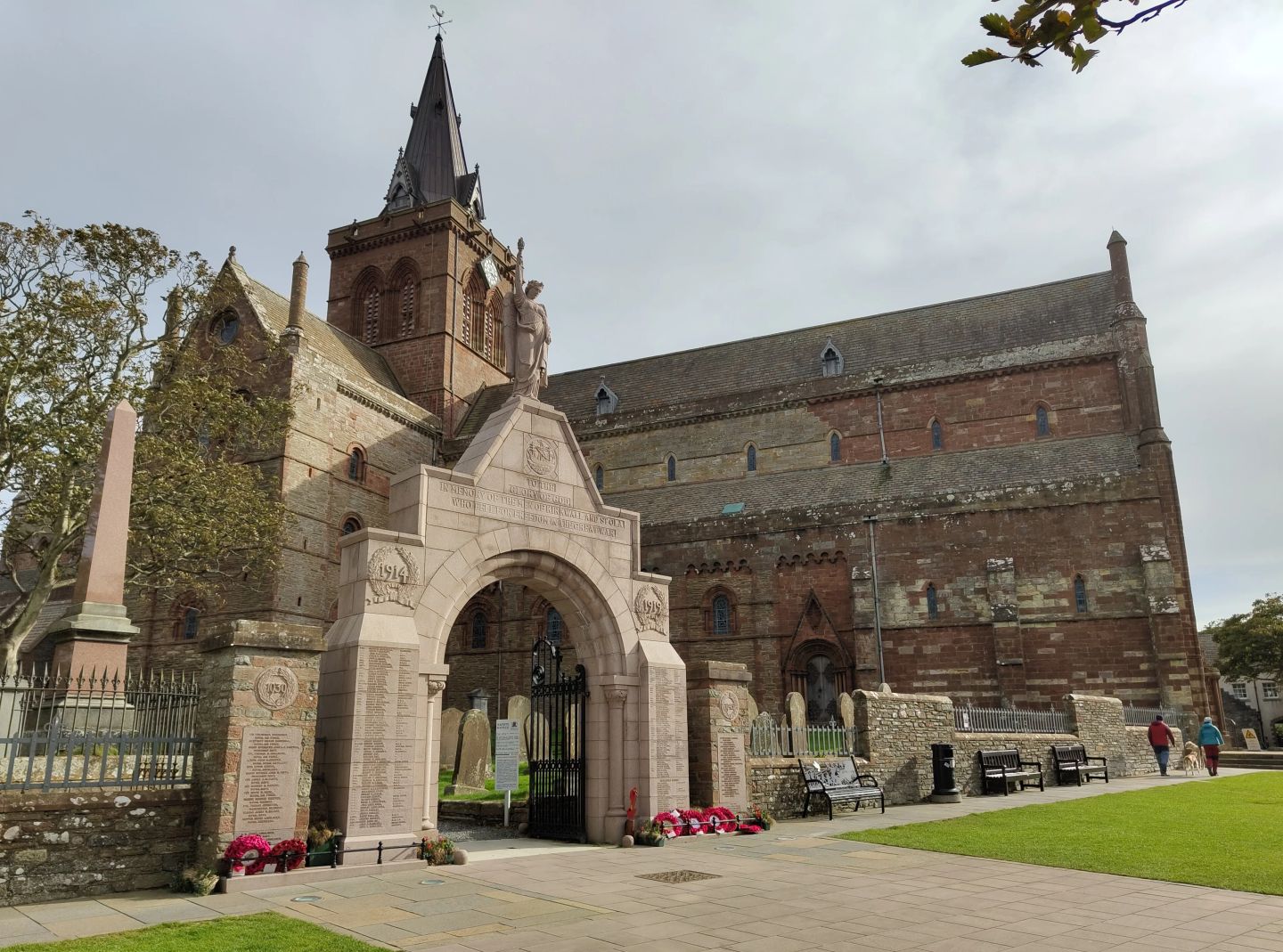
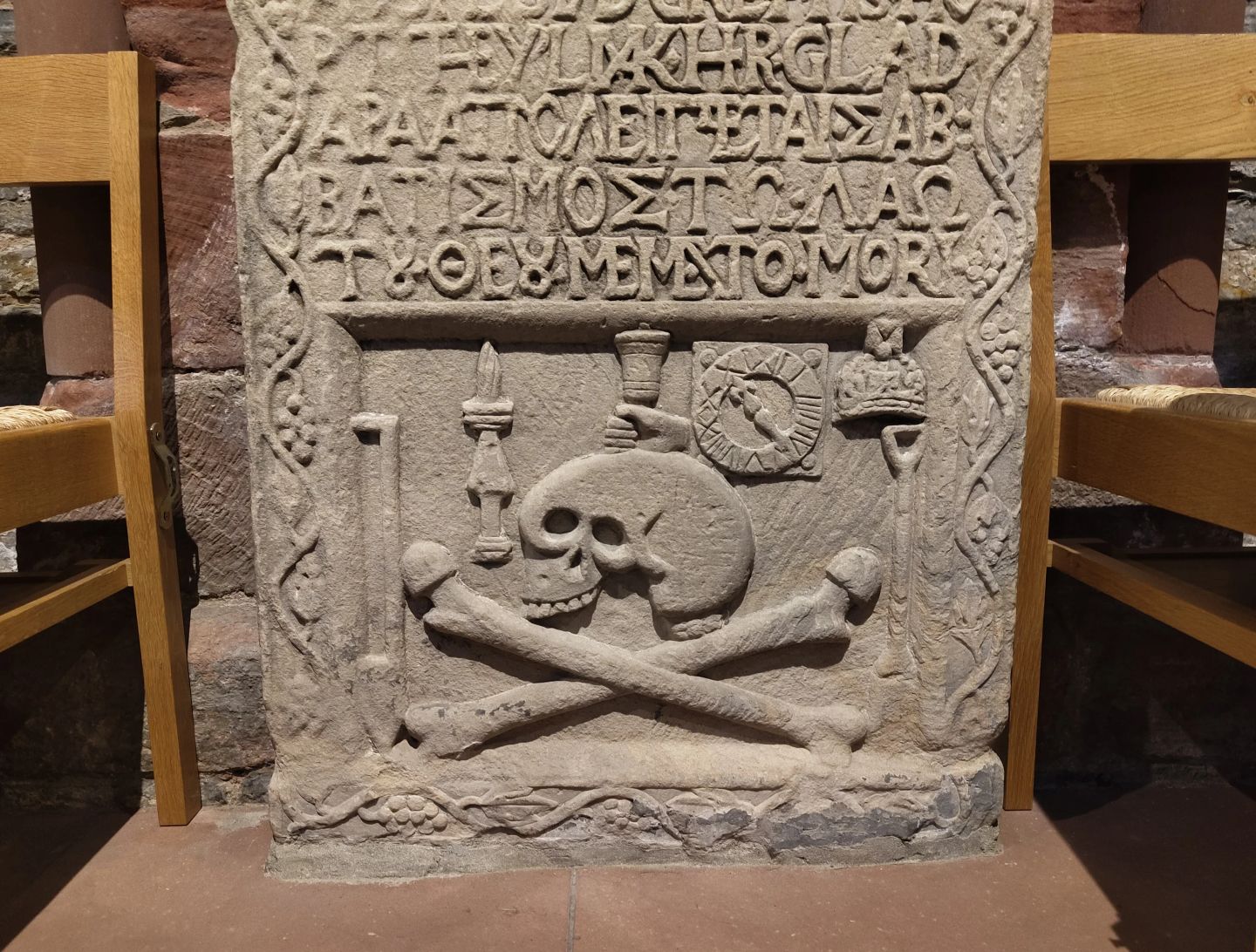
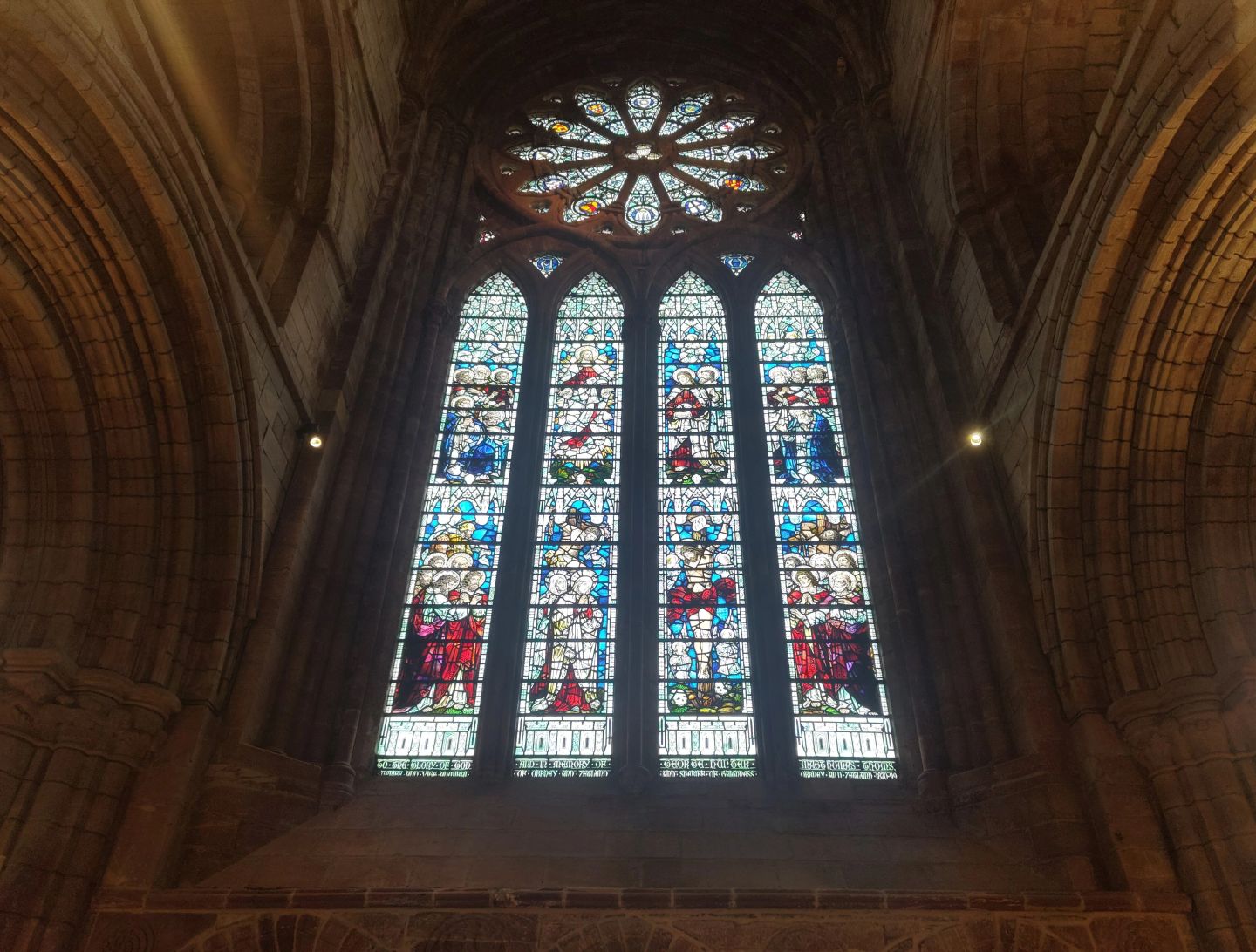
Because we traveled so much and never had a day off in between we were quite tired and headed back to Kirkwall. It is the largest town on the islands and has a really good looking church. The old name of this town was “Kirkjuvágr” which means church bay so you would kind of expect it if you arrive there…
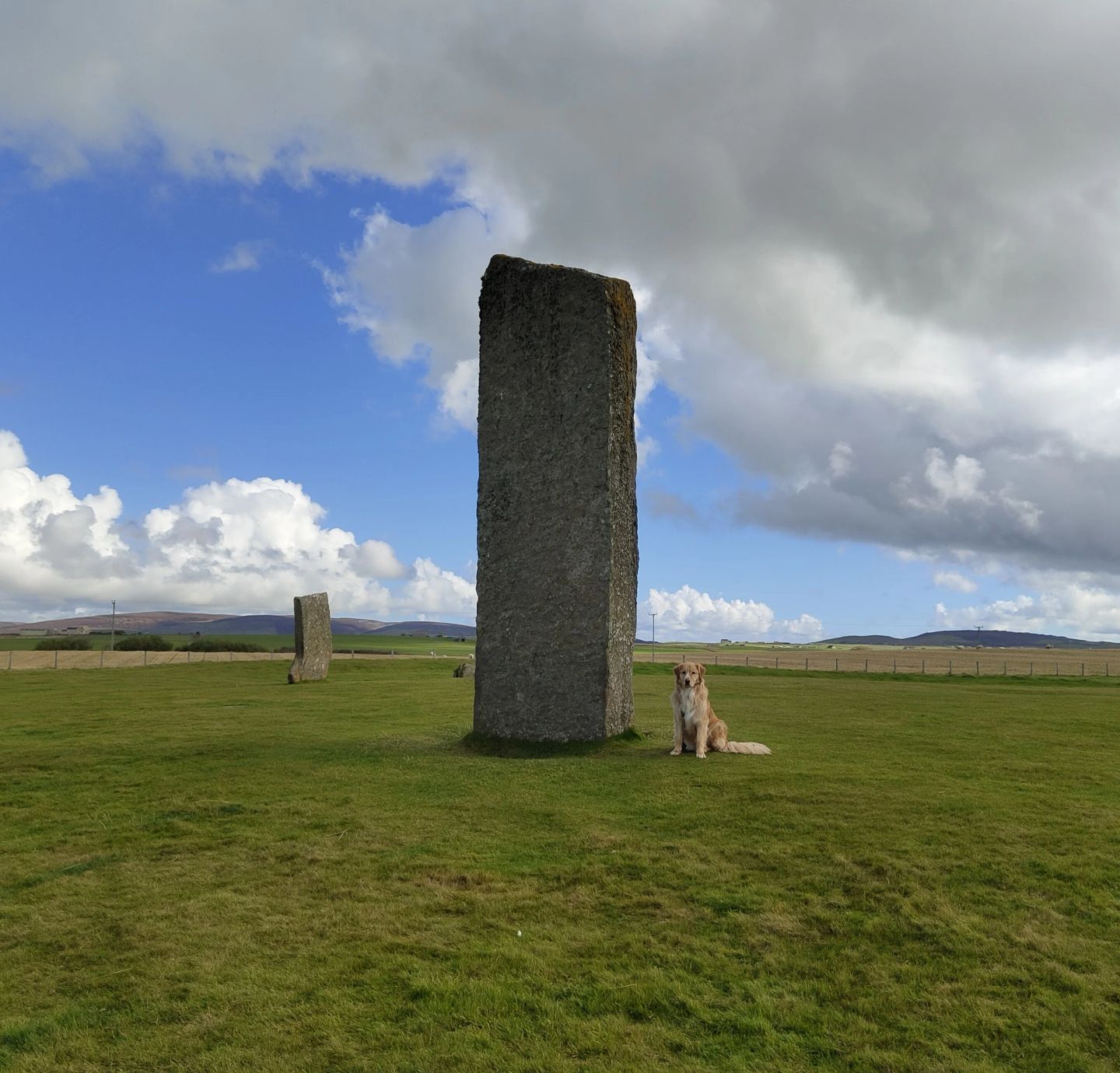
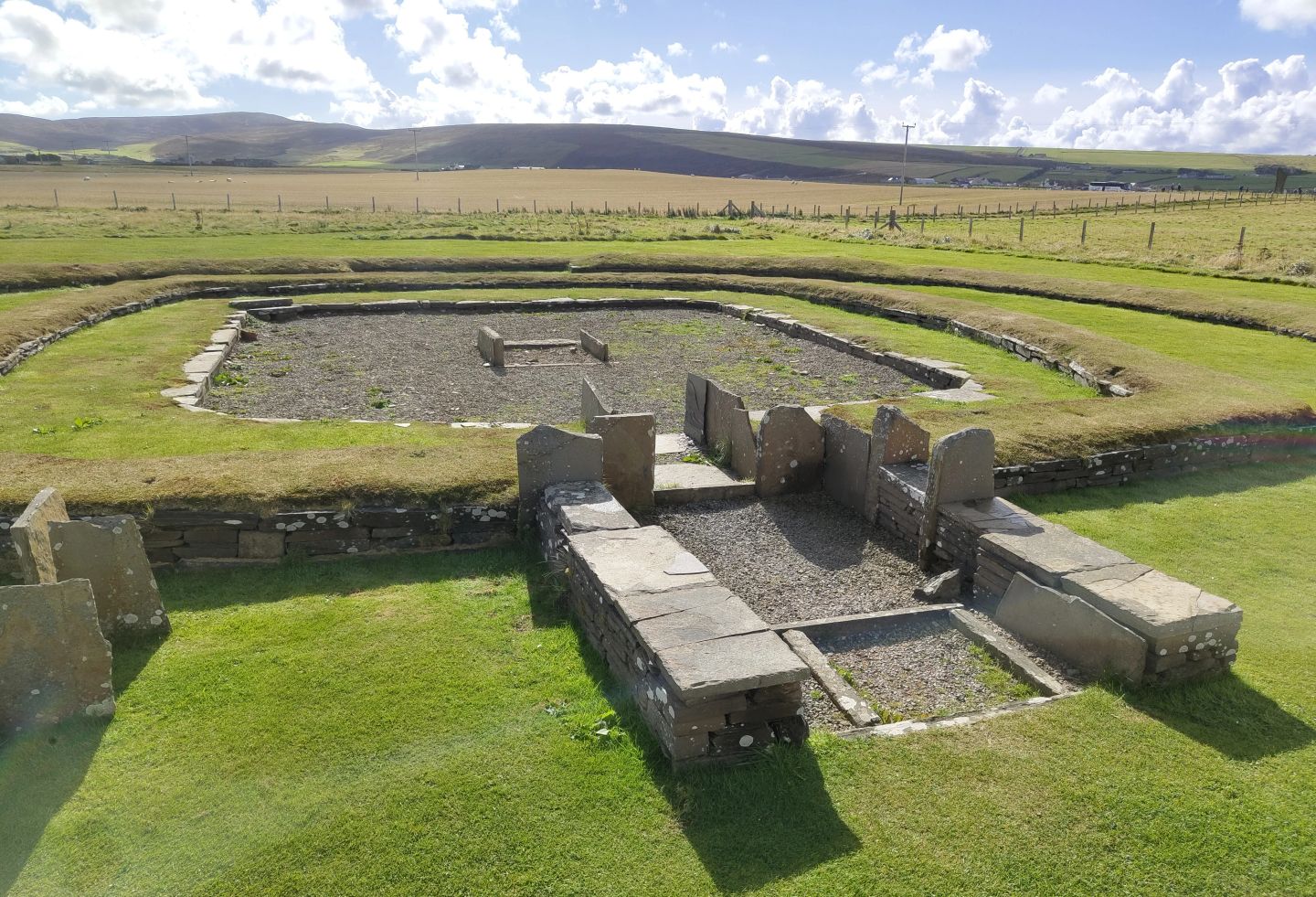
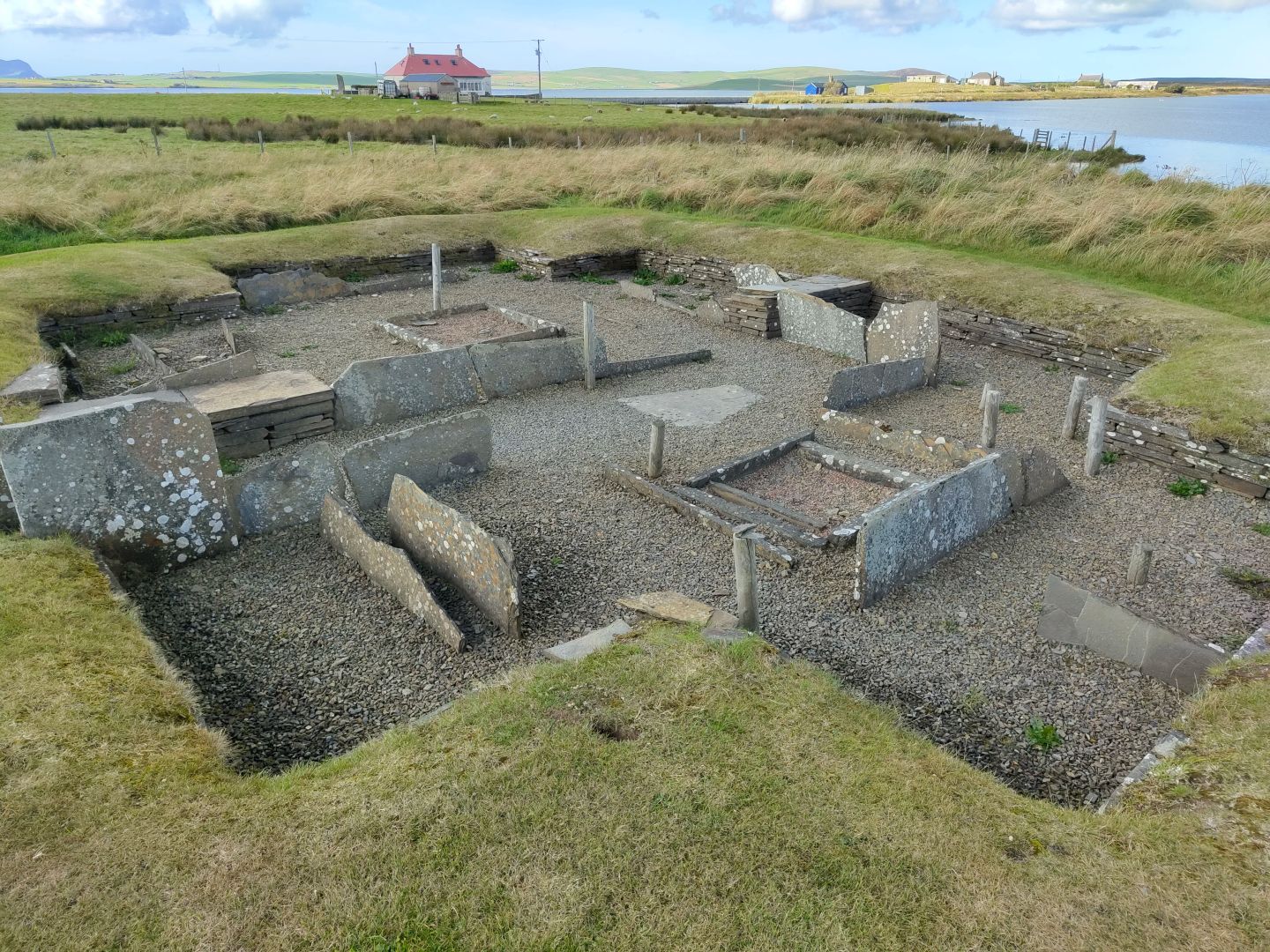
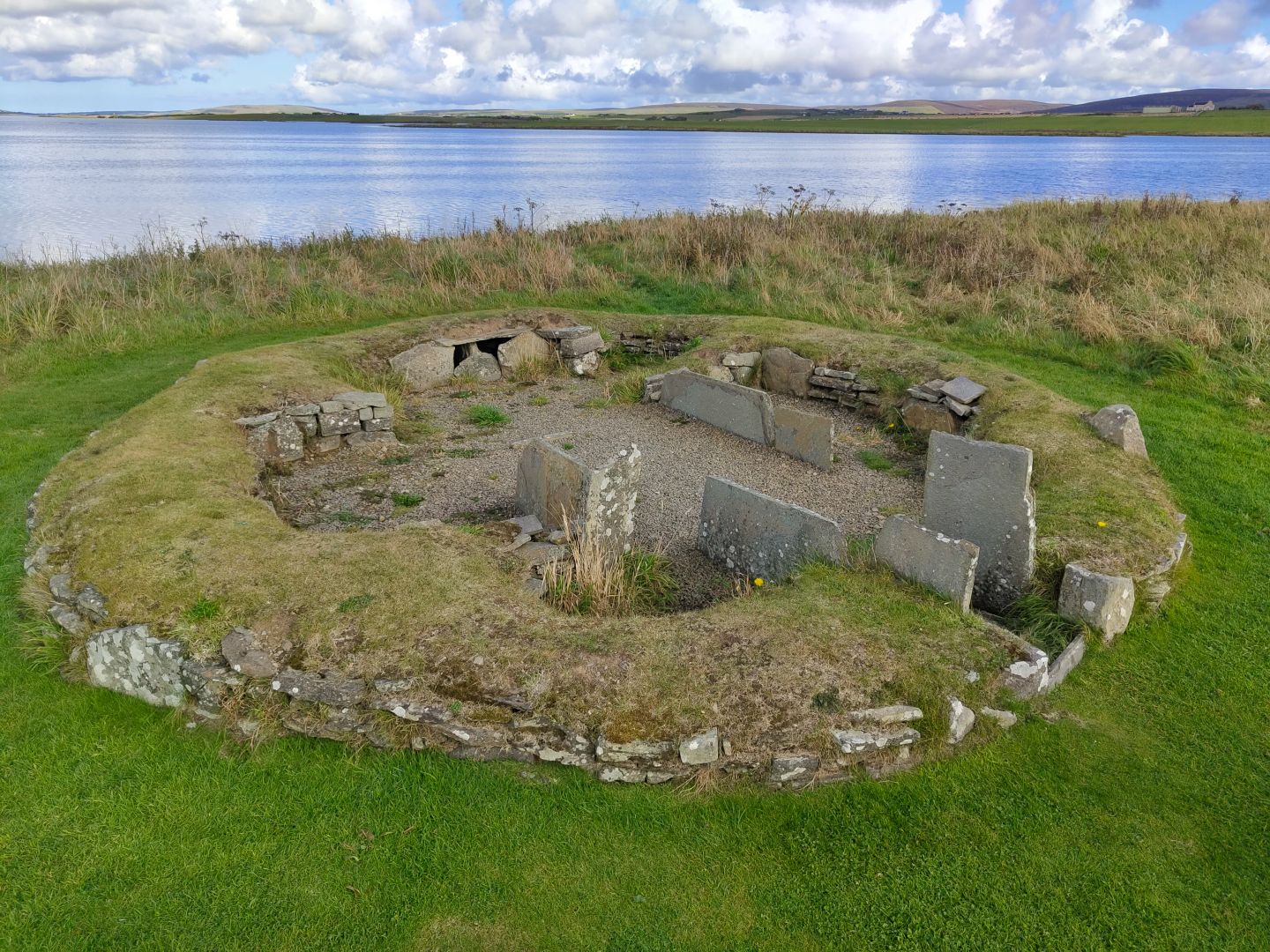
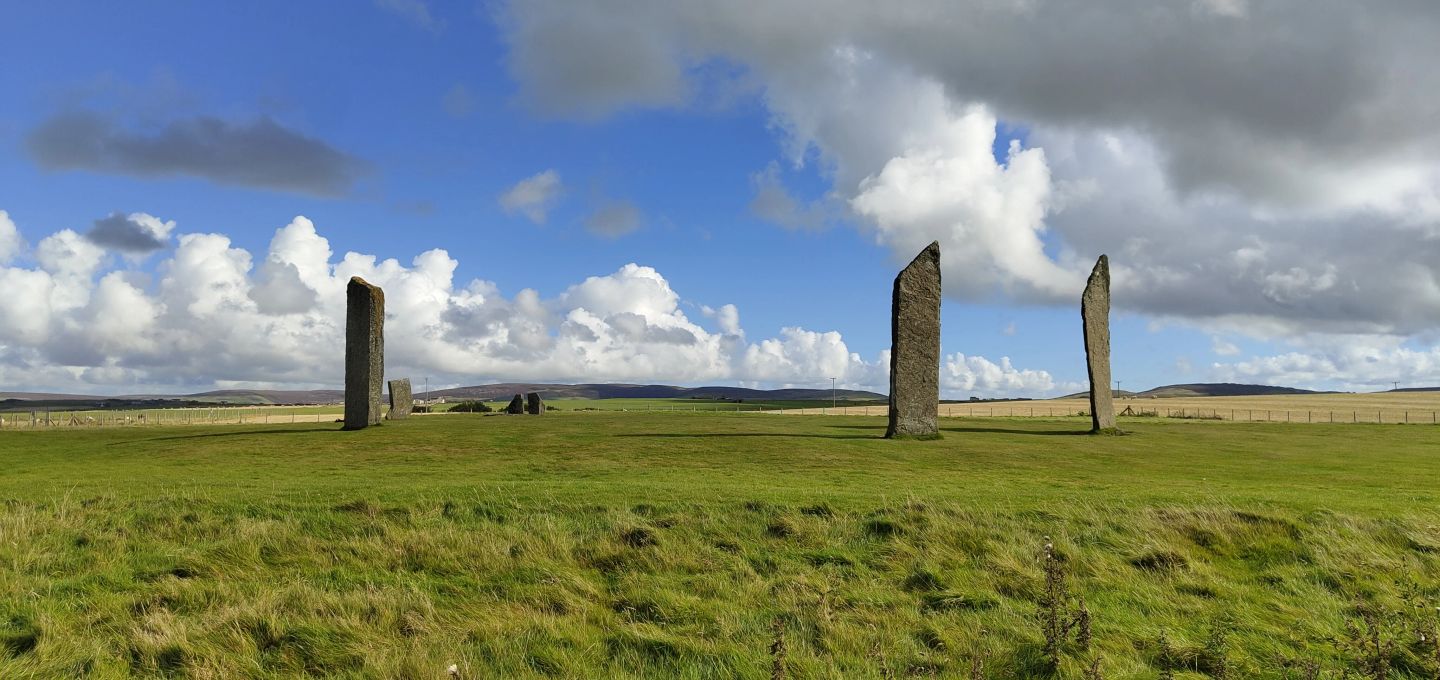
Our next day started at the Stones of Stenness. It was most likely a ritual and gathering place and had a small village nearby. Just looking at the scale of it all was quite impressive.
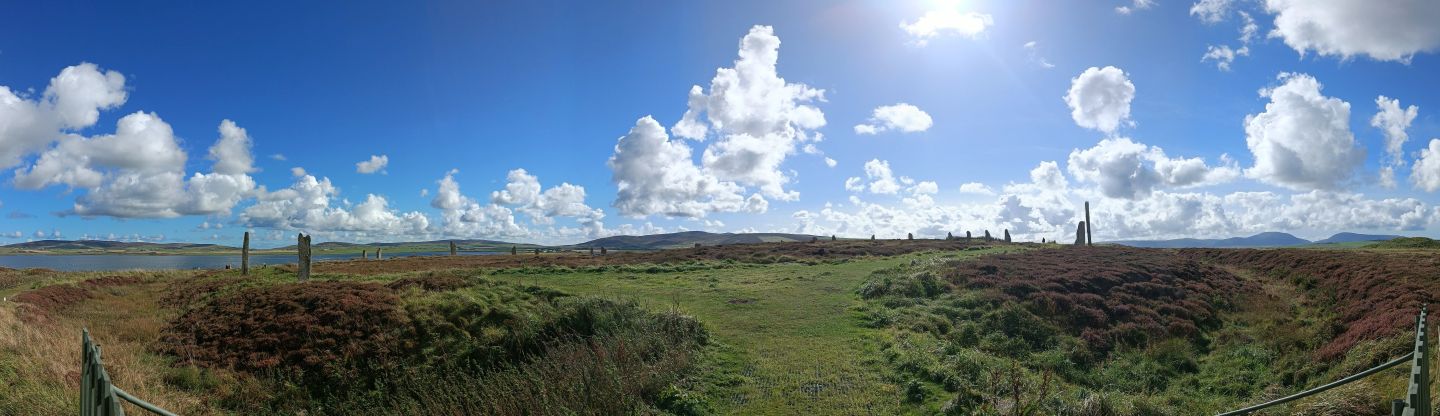
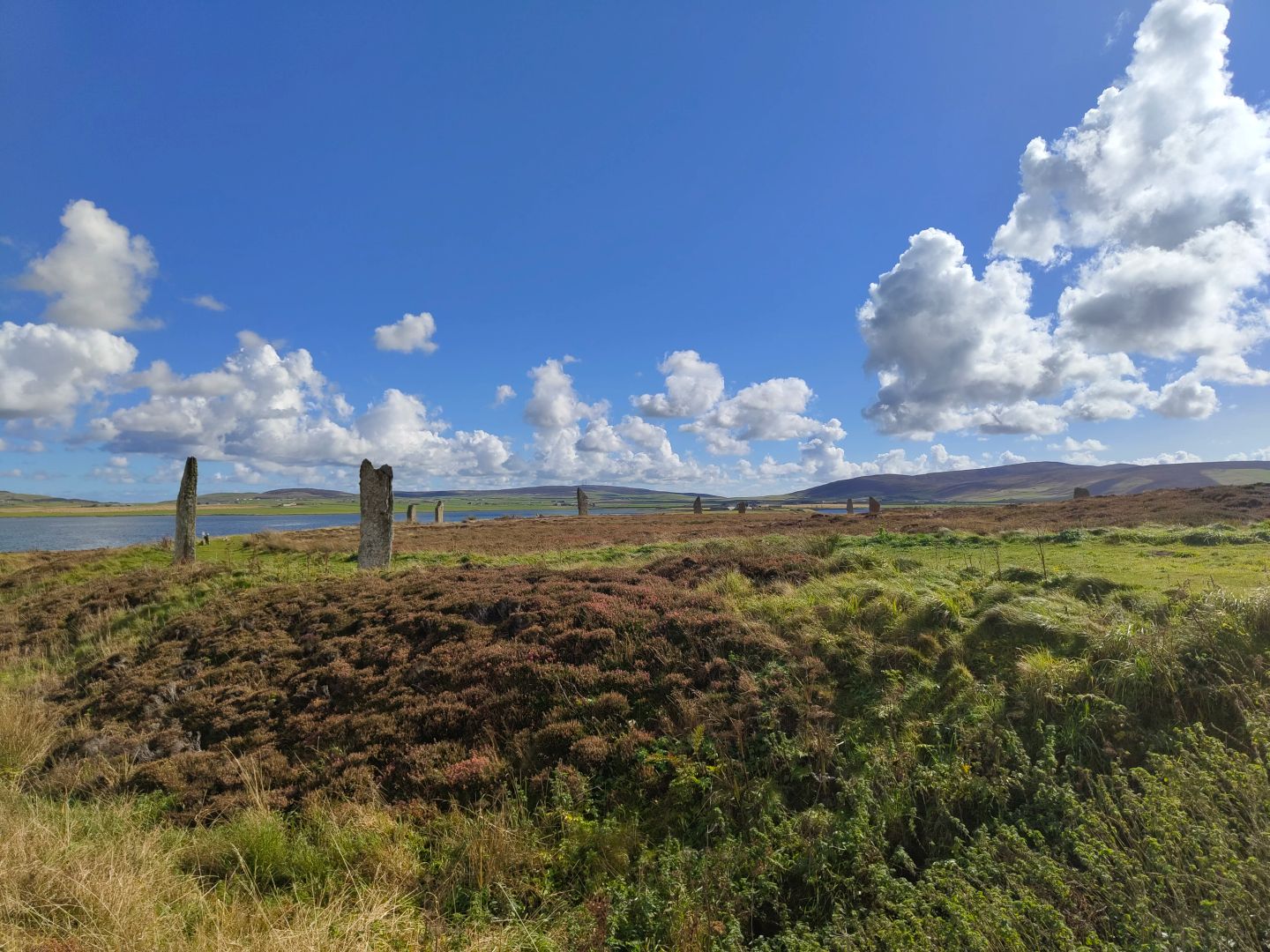
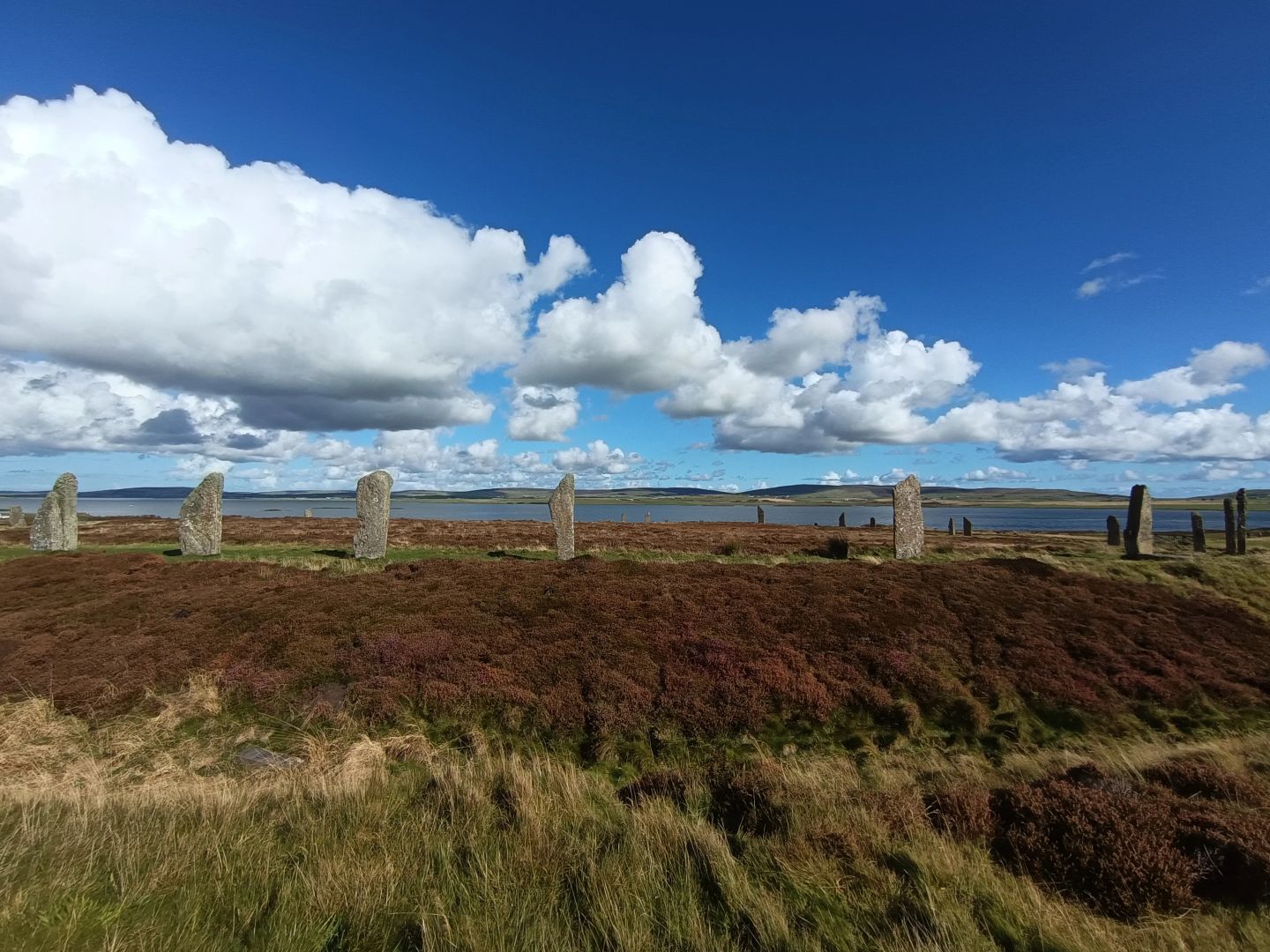
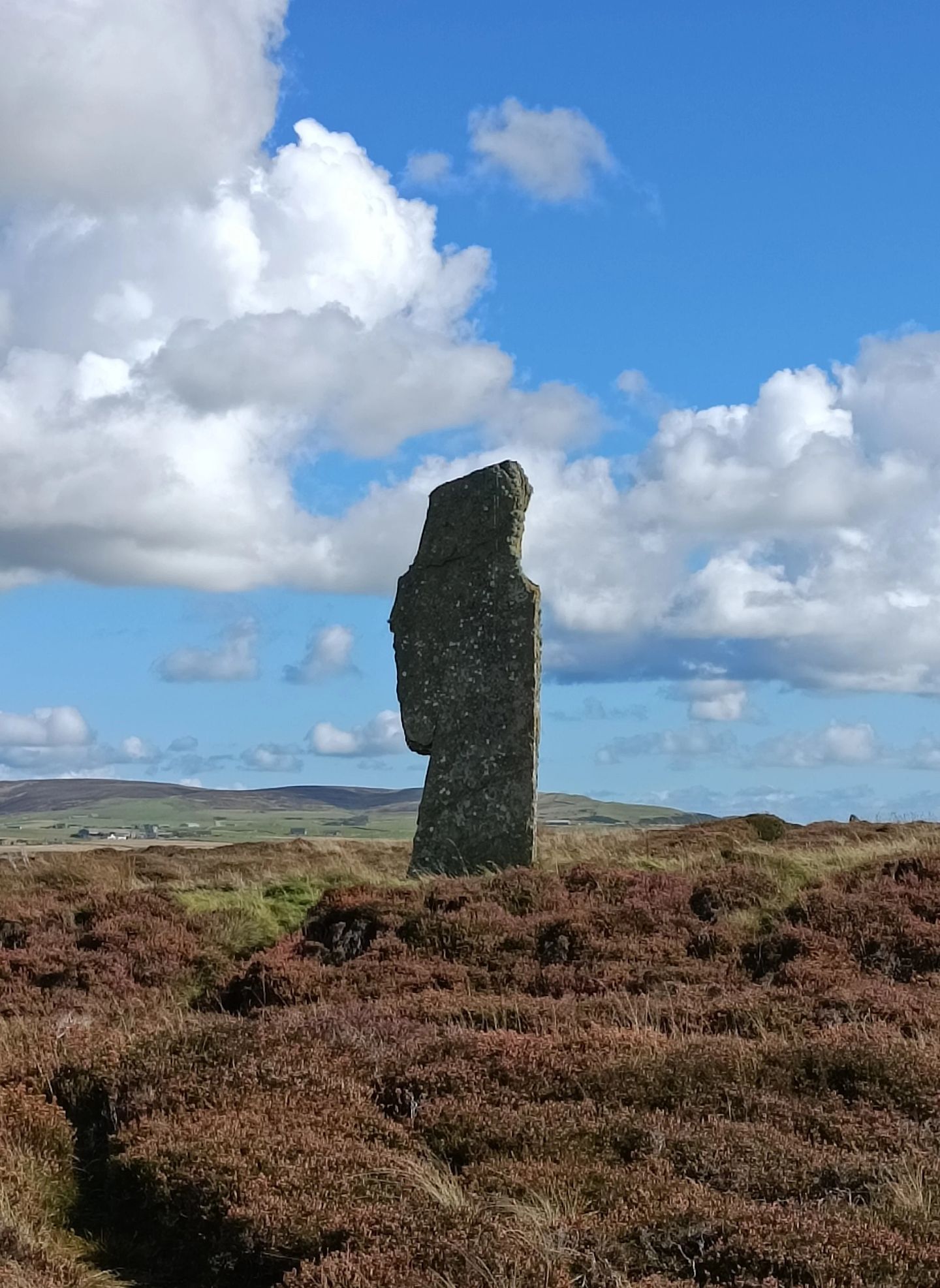
Why stop at the first ring of stones when you can visit a second one that is right next to it. The Ring of Brodgar was even more impressive since it’s an insanely huge ring of standing stones. And the crazy thing is that it is an almost perfect circle. Good job people from back then!
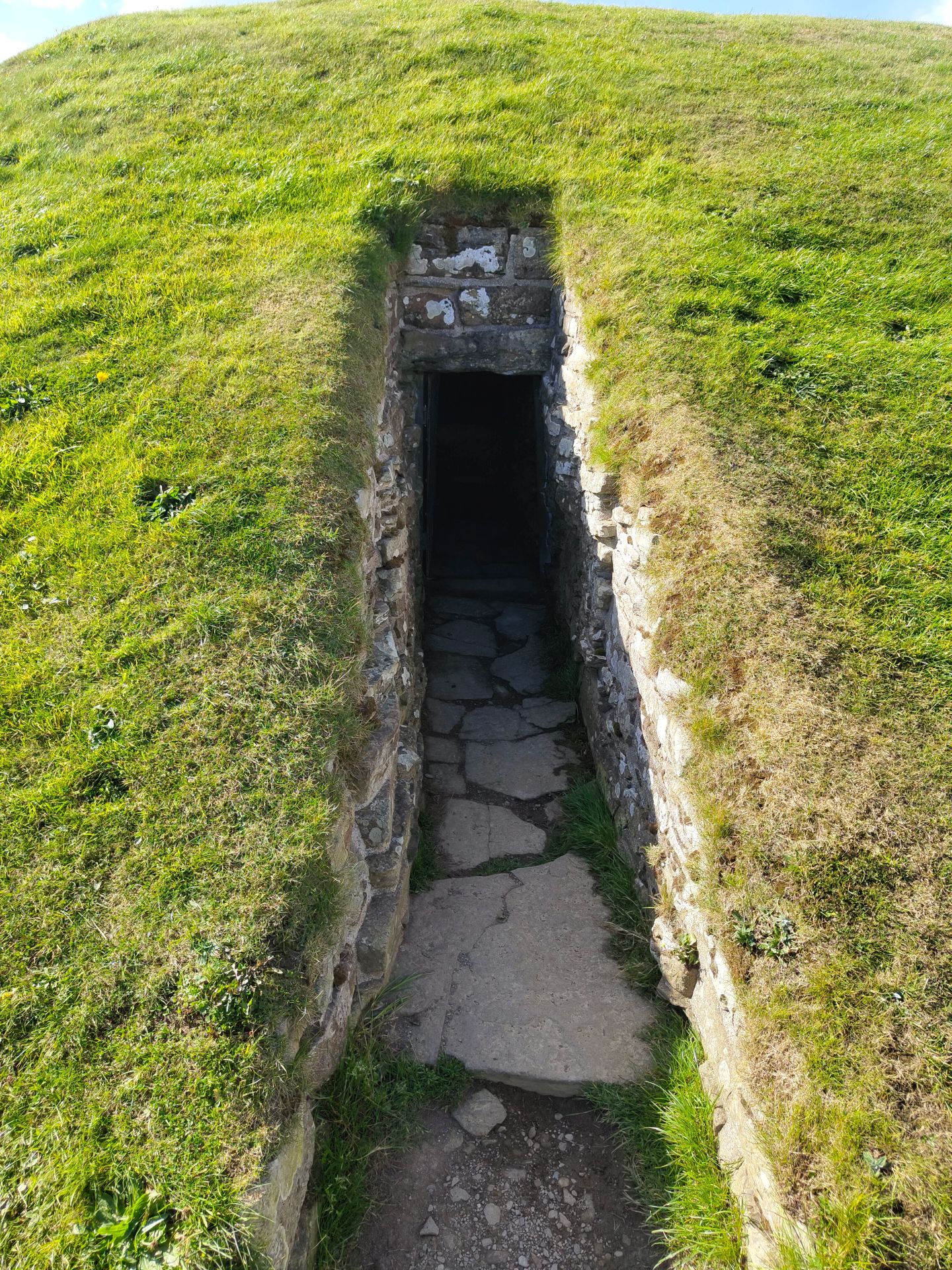
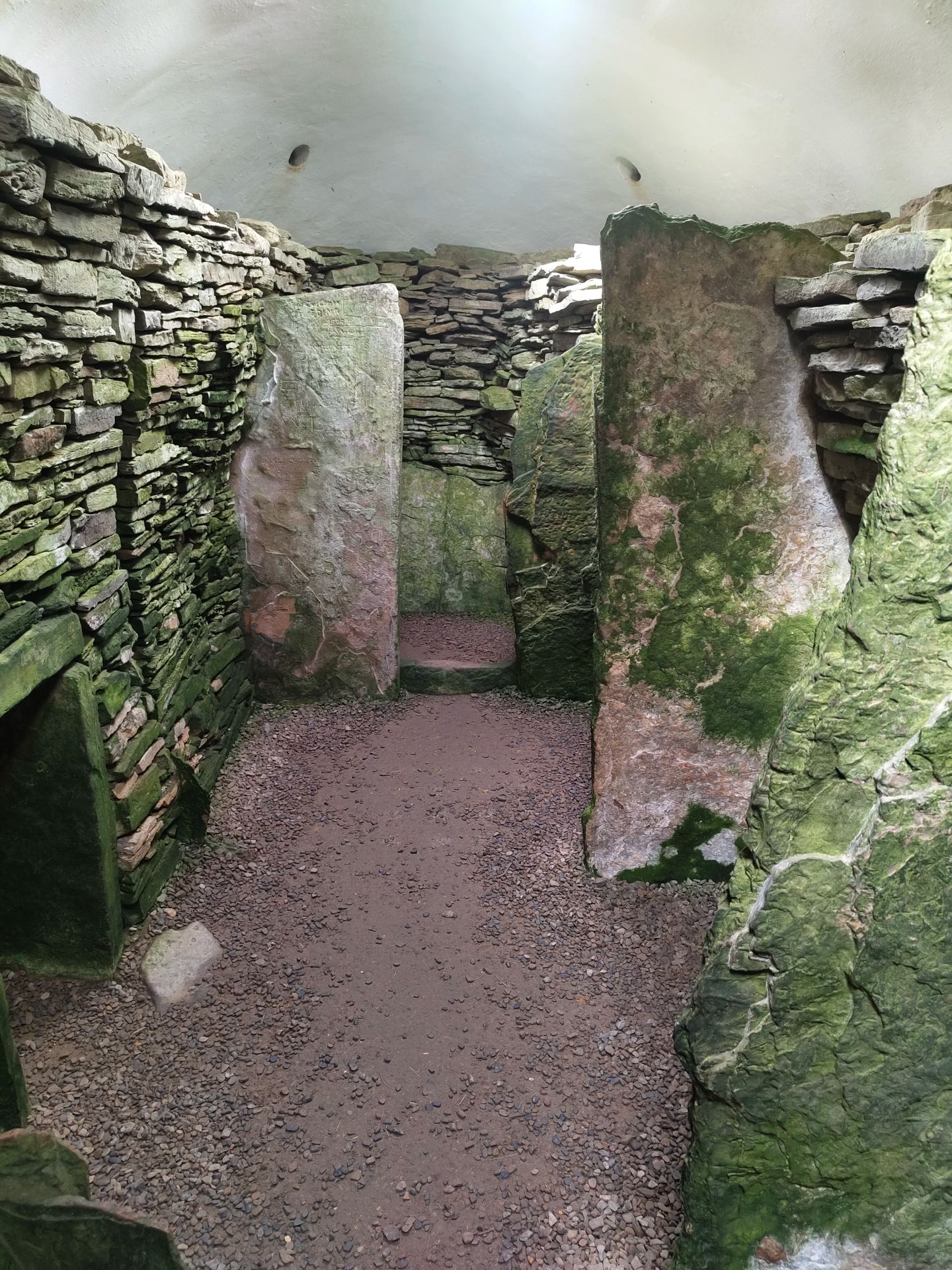
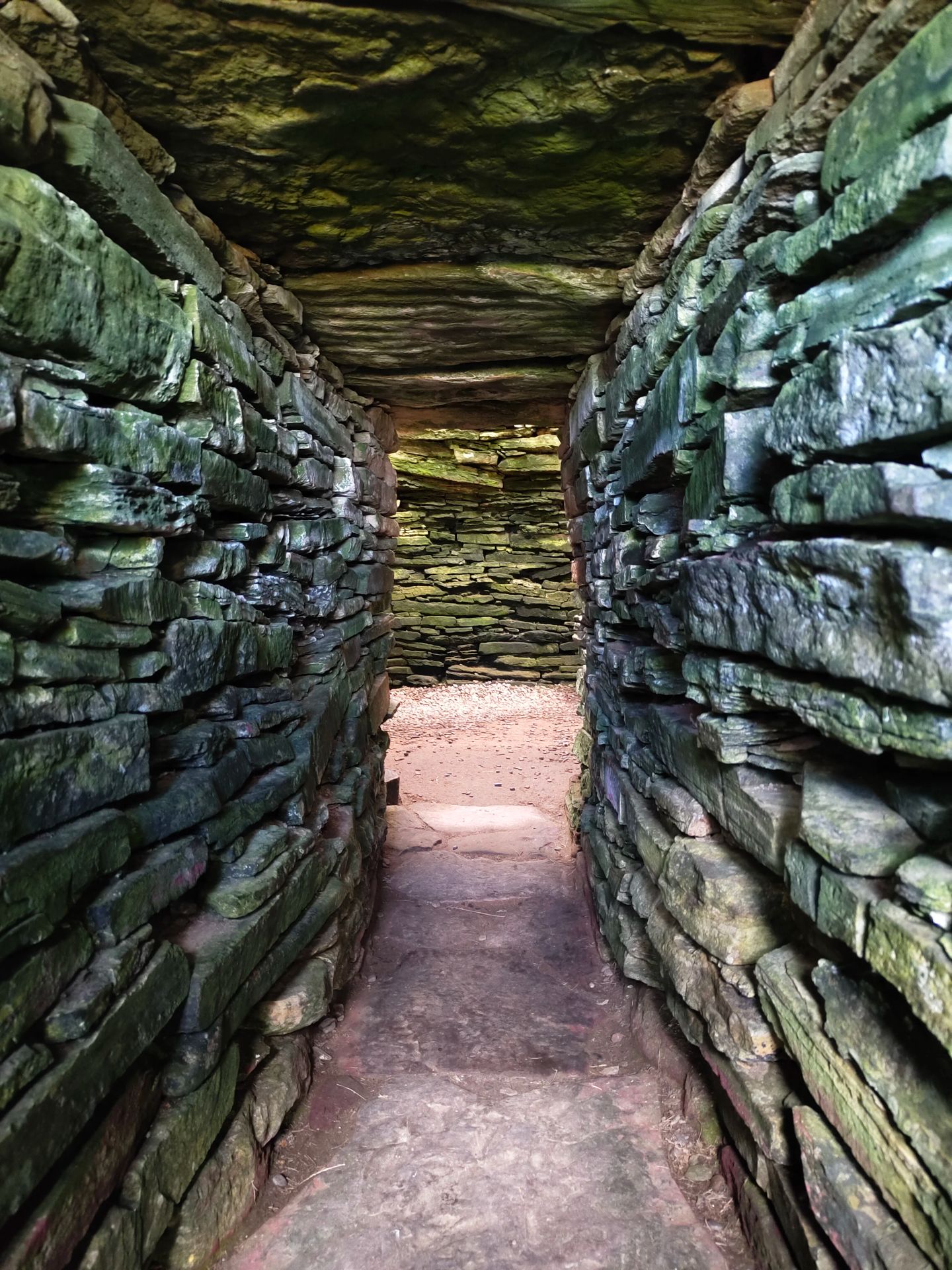
Having seen enough rings outside we went back to the beginnings of our Orkney tour and took a look at another tomb. The Unstan Cairn was only a few minutes by car away so why not also take a quick peek inside.\ Compared to the Tomb of the Eagles it was in a much better state but lacked the cool rolling-into-it entry.
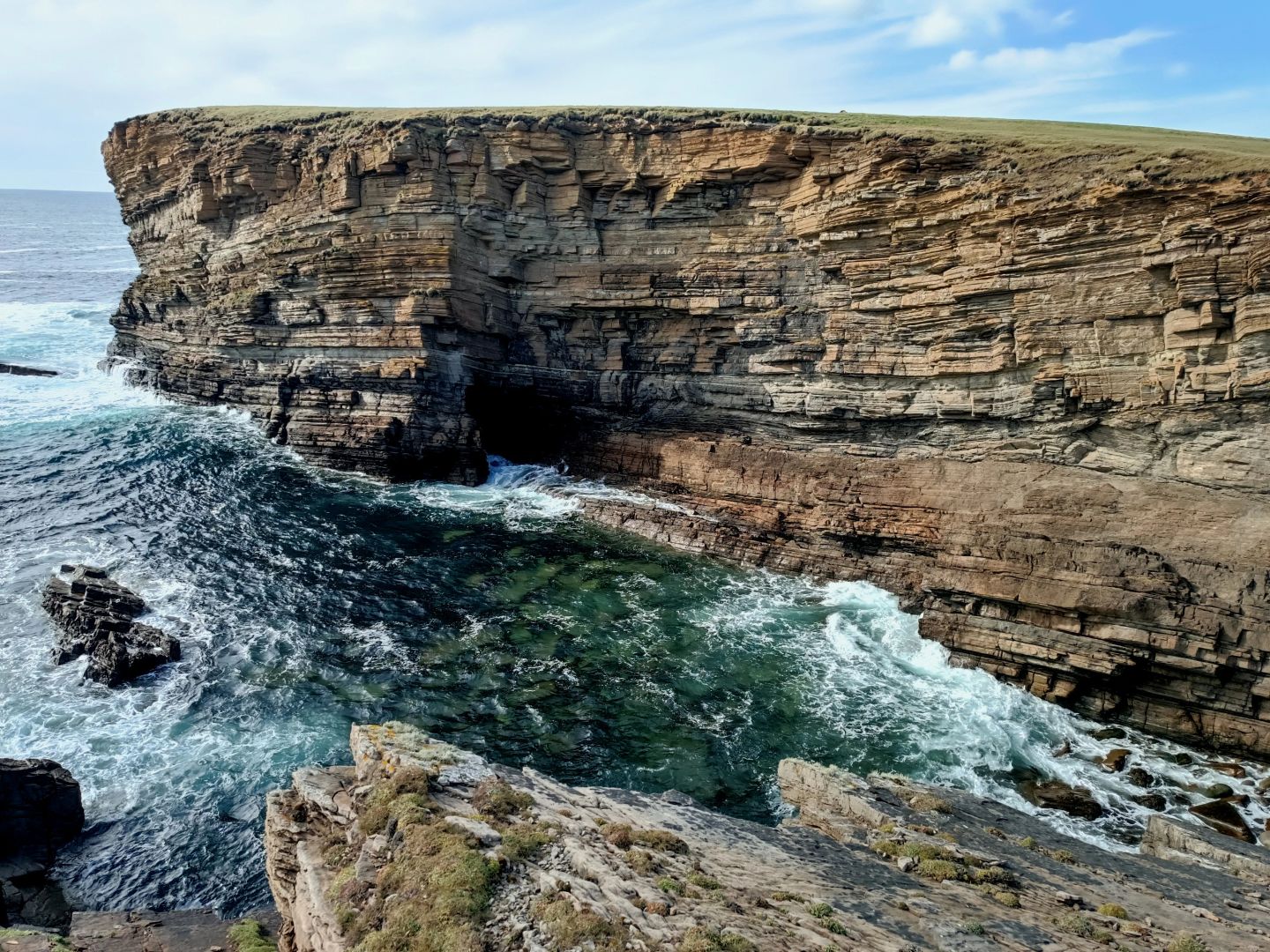
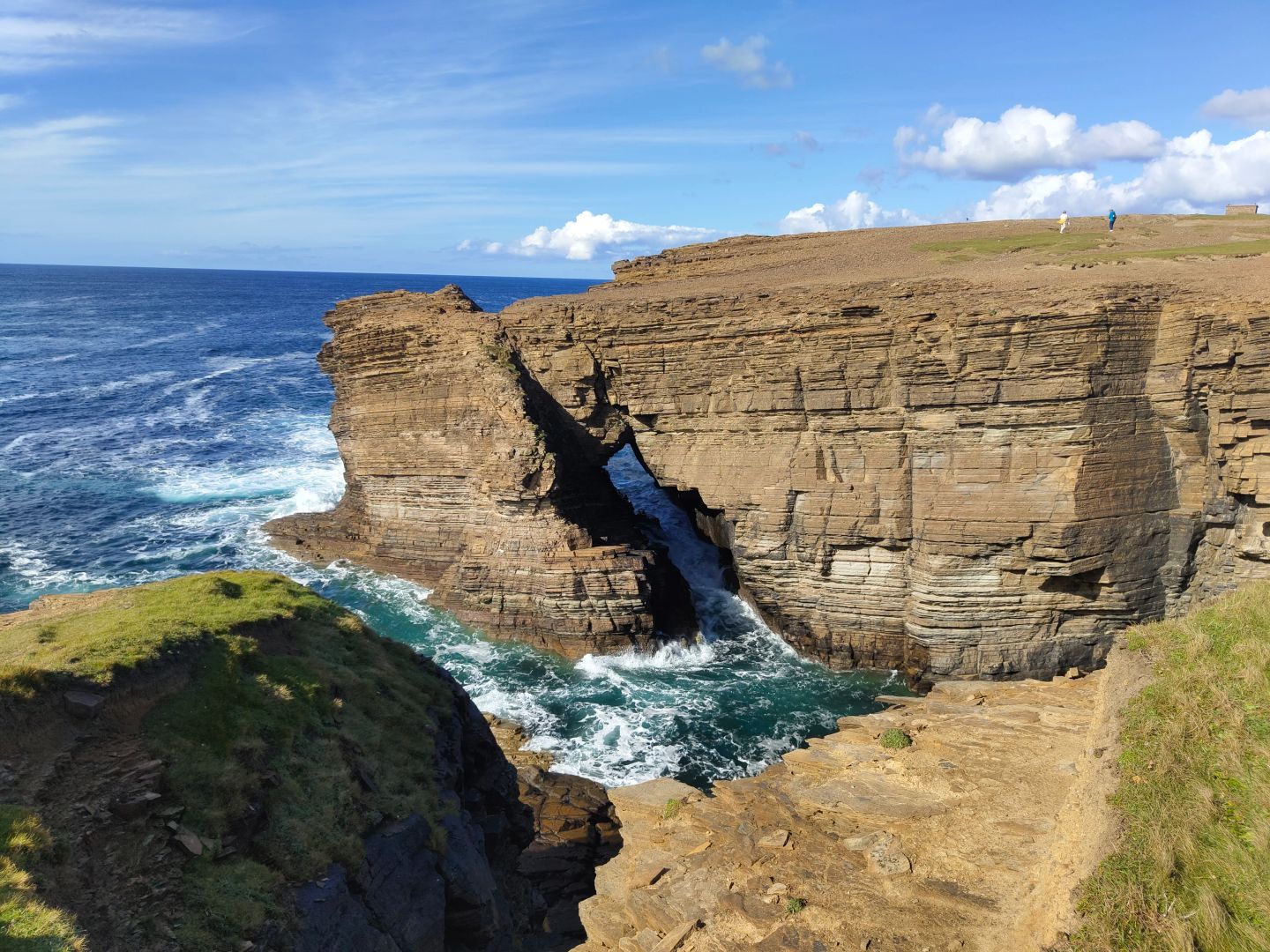
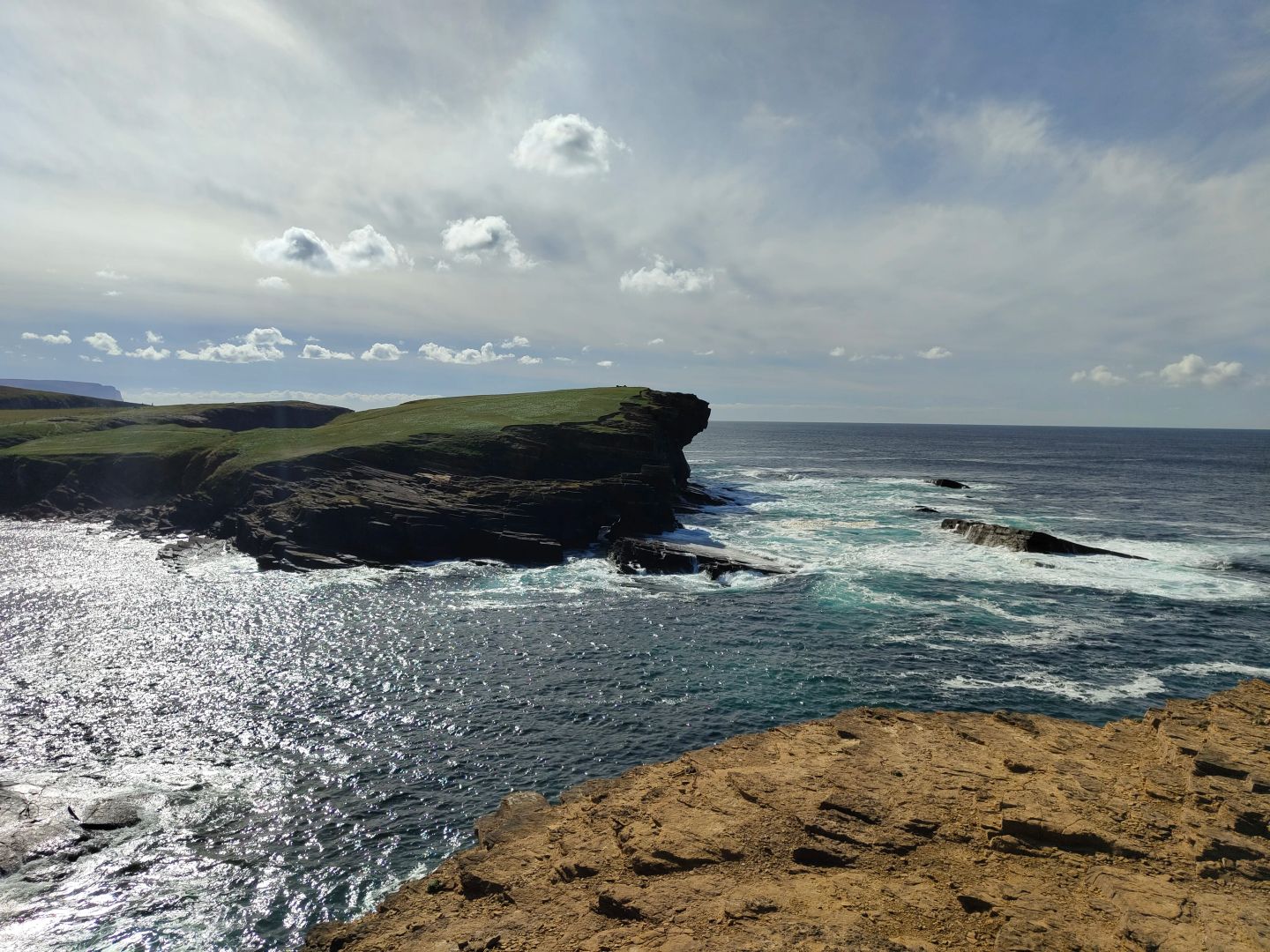
Next stop was at the west coast of the islands at Brough of Bigging. It was really nice to watch the waves while we had a quick snack before heading to our last stop of the day.
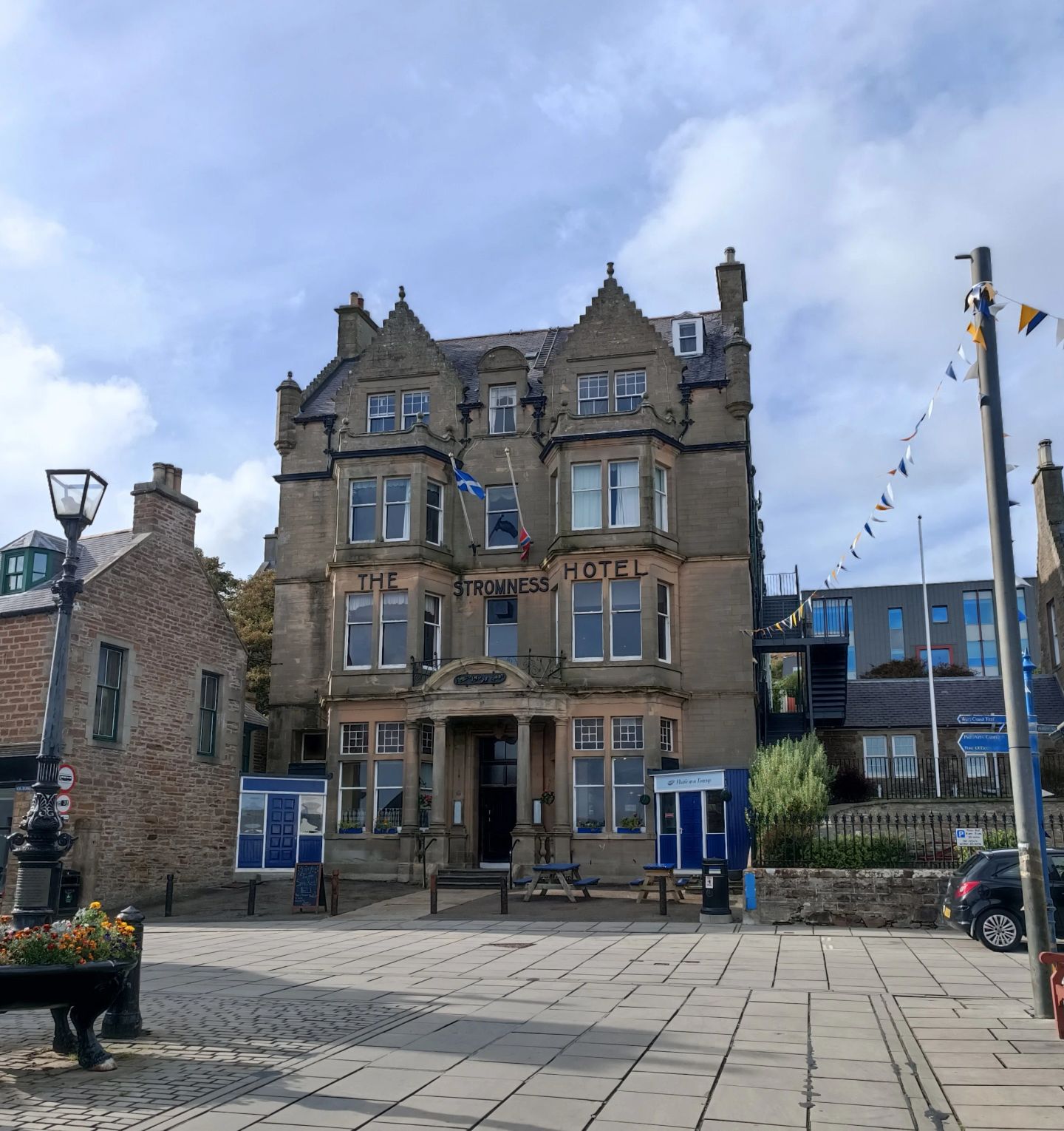
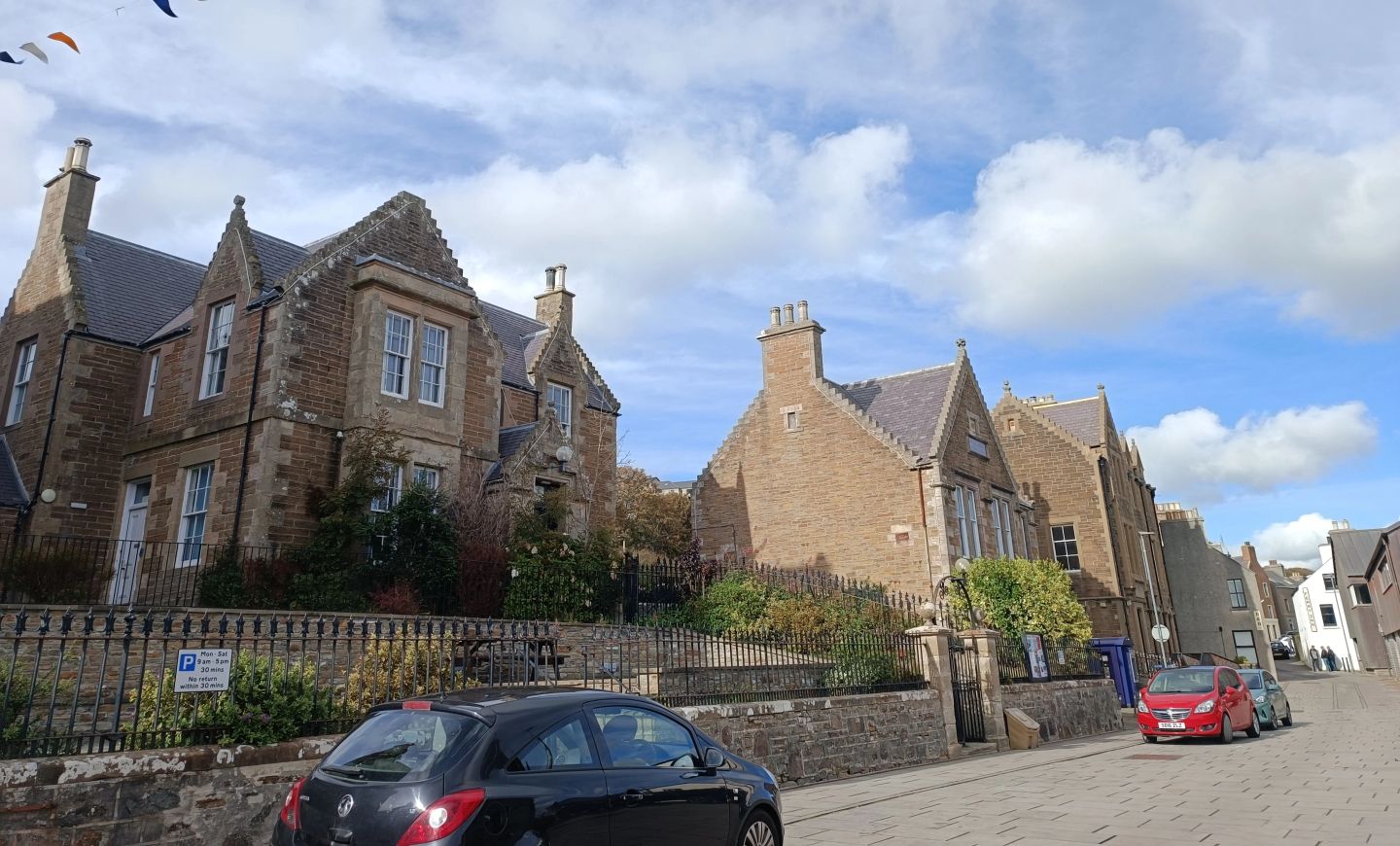
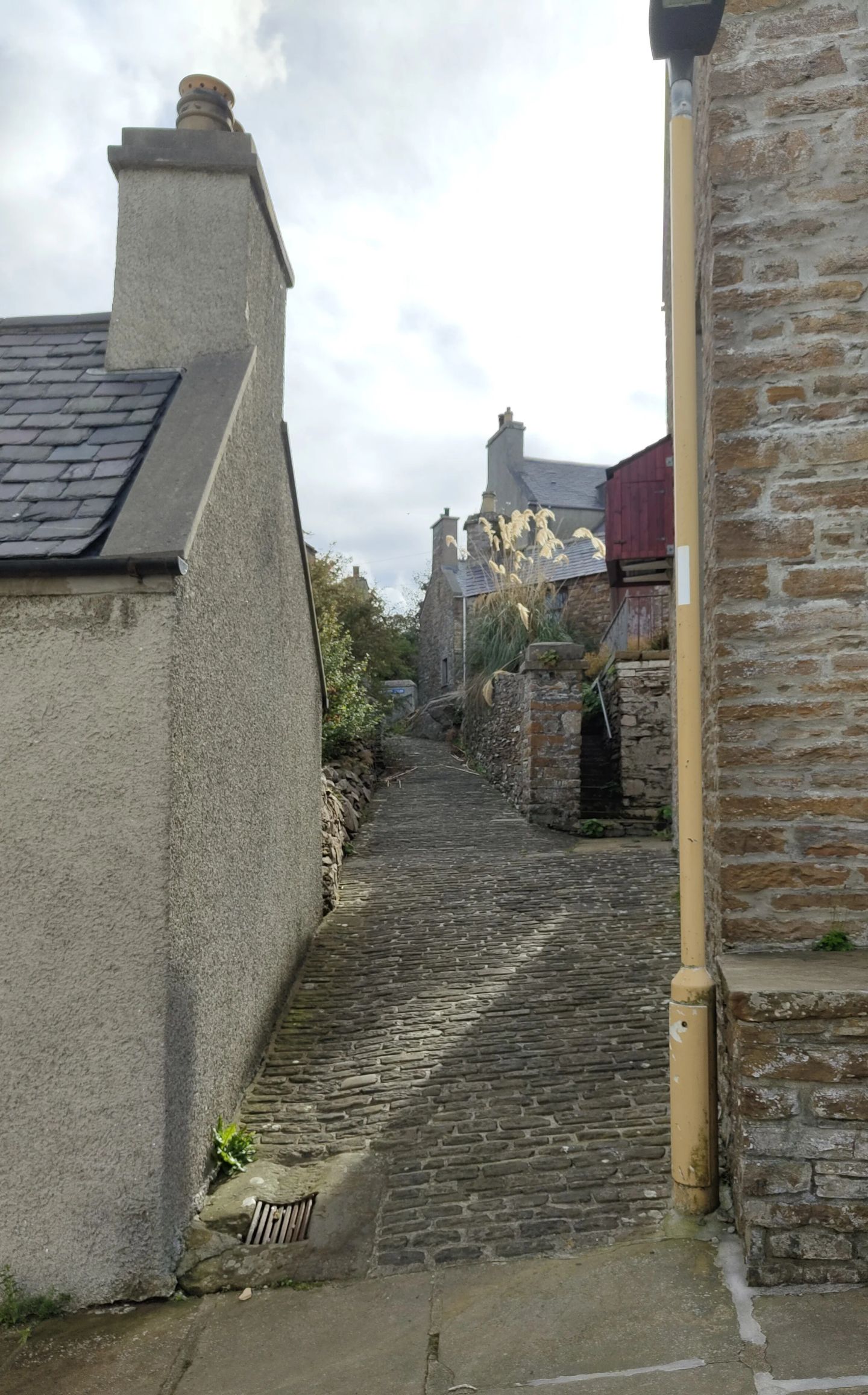
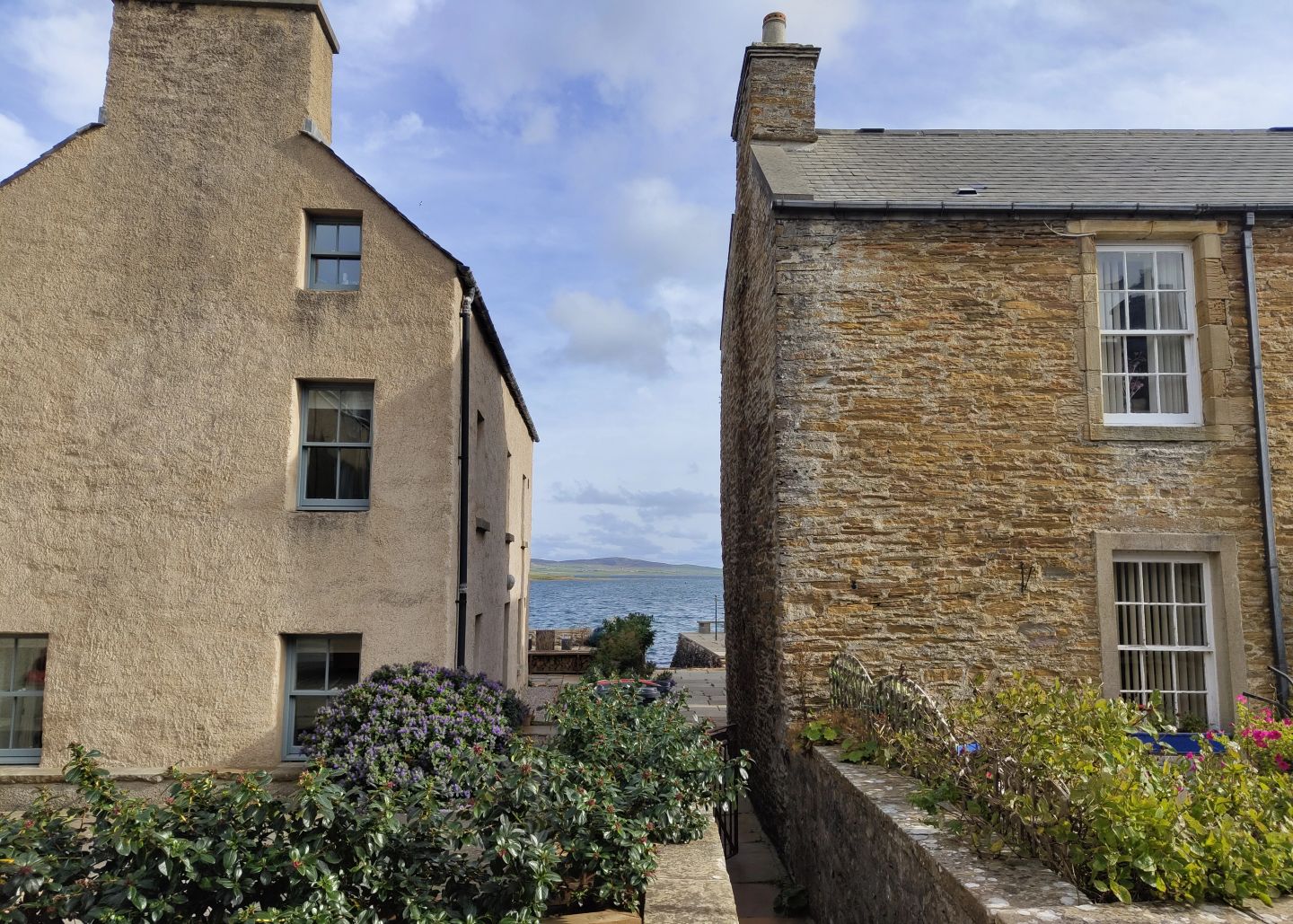
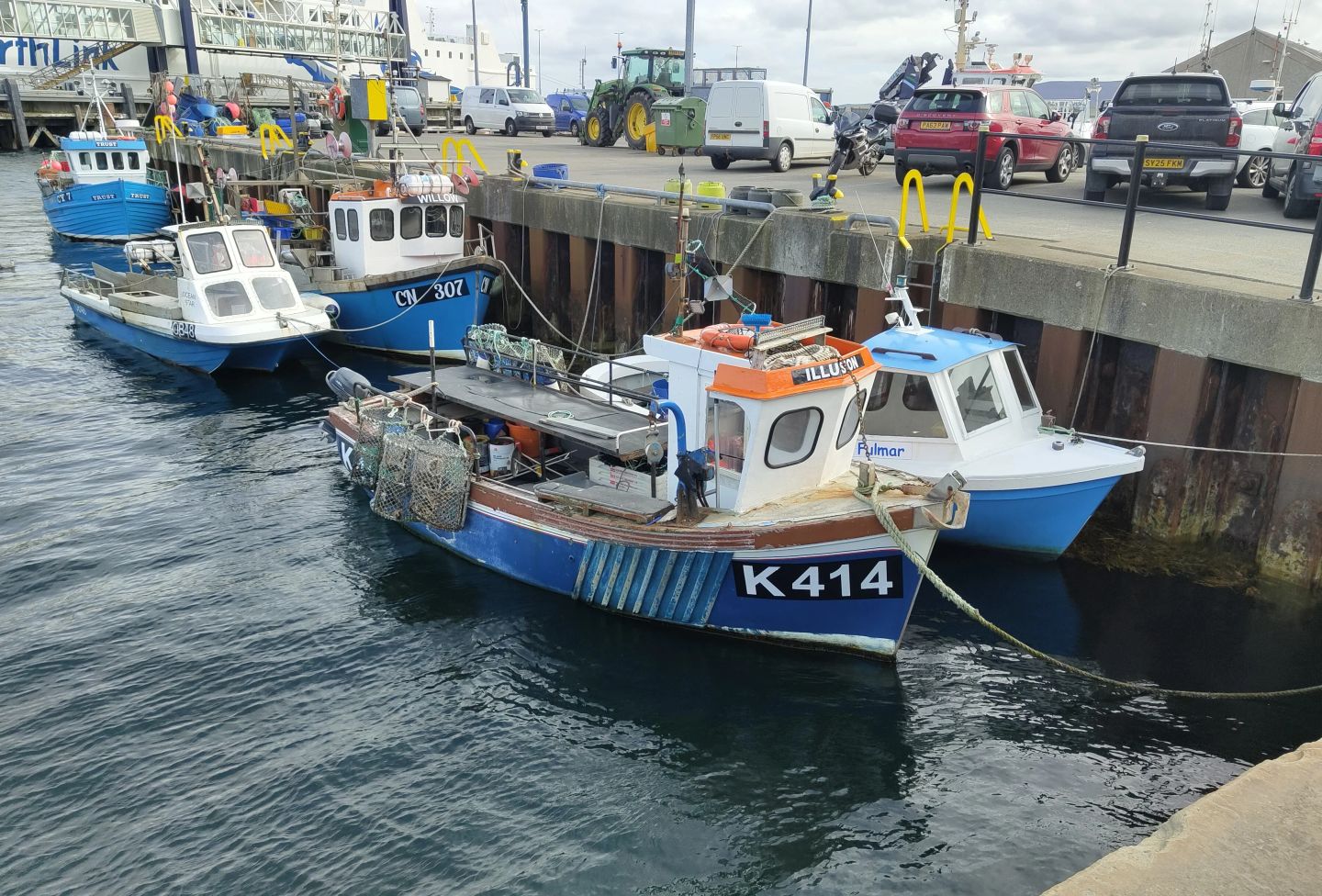
Stromness is a quite small but neat little town. Honestly there wasn’t much to do there but we had a good coffee next to the harbor and sometimes it’s the only thing you need.
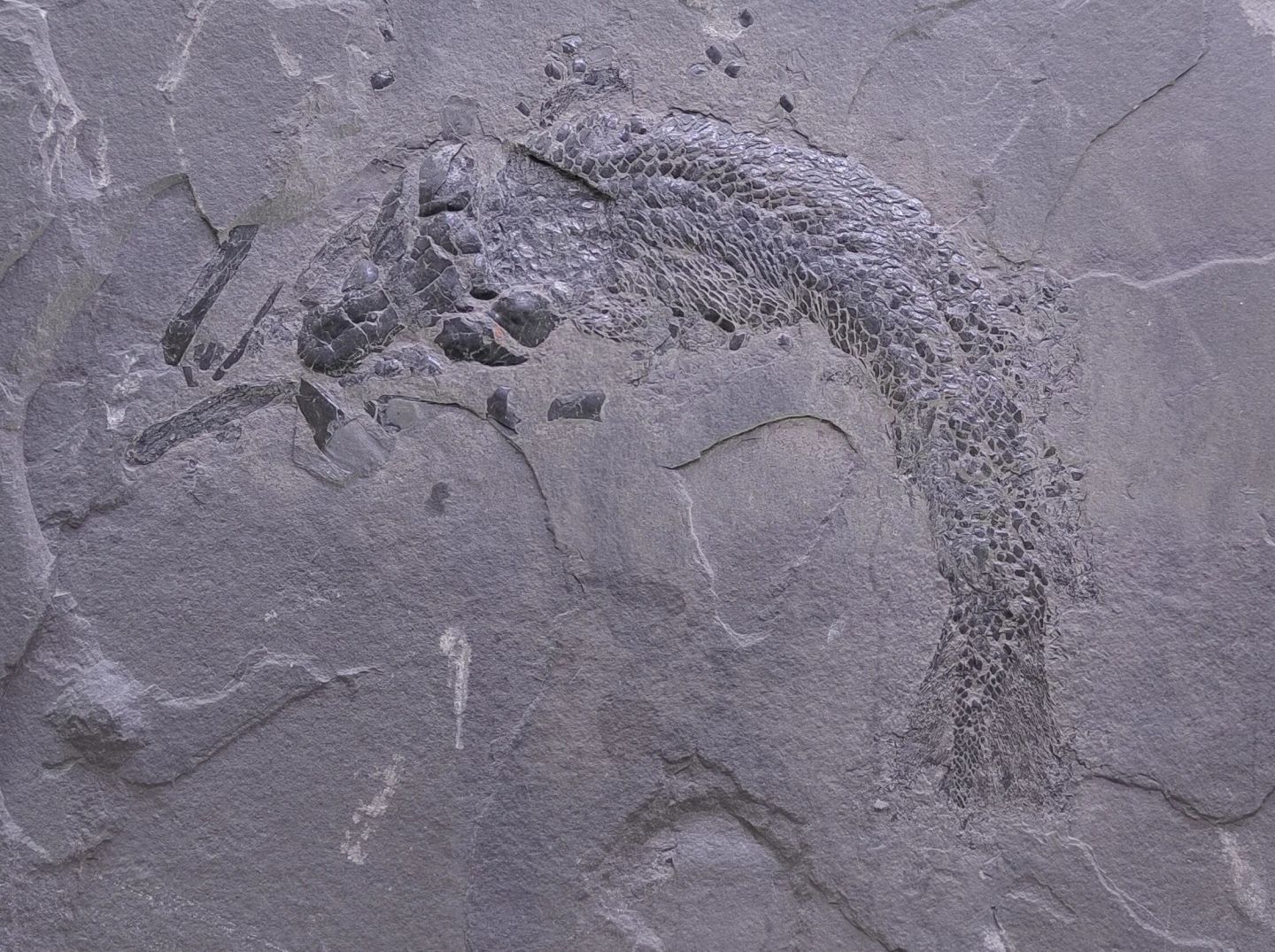
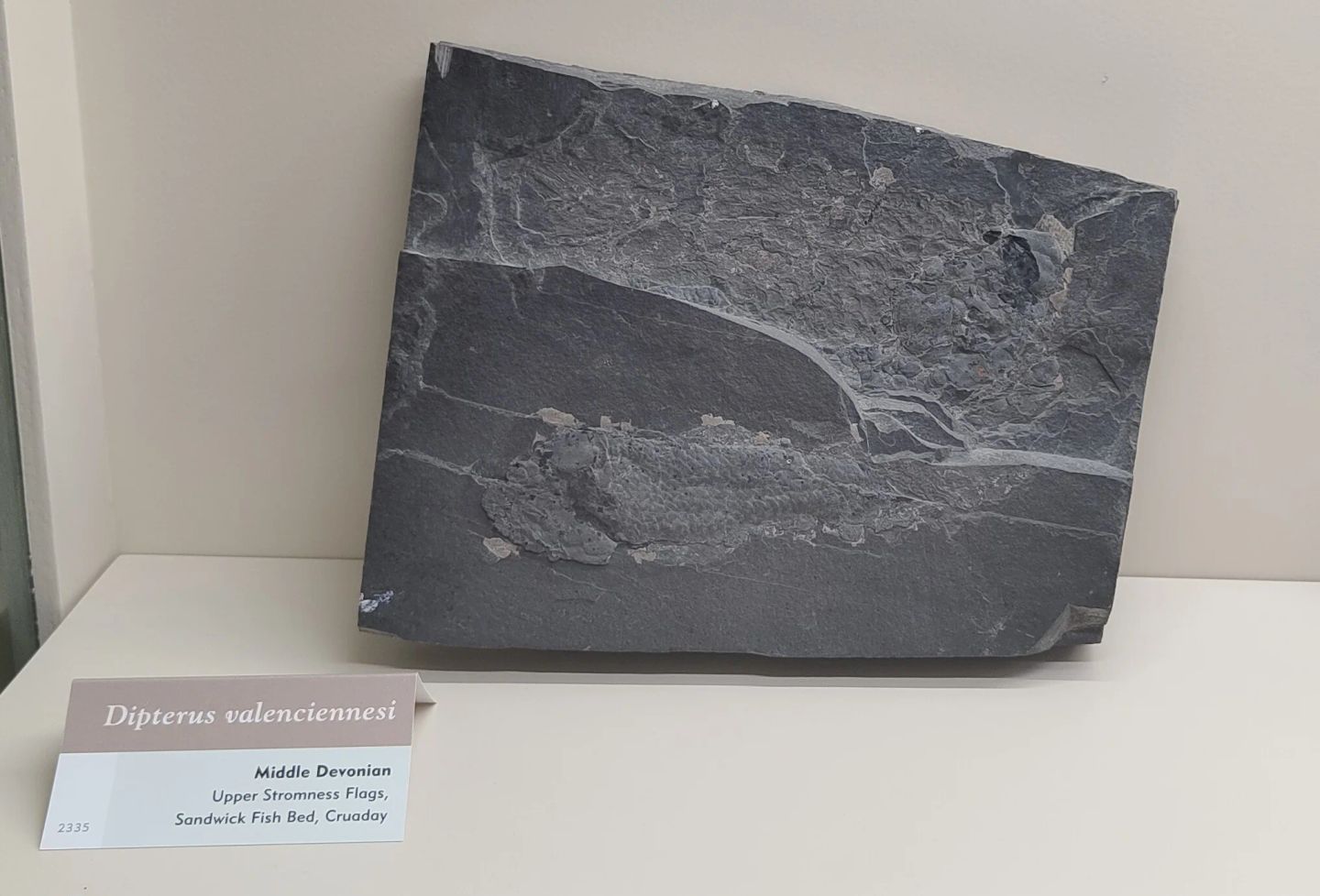
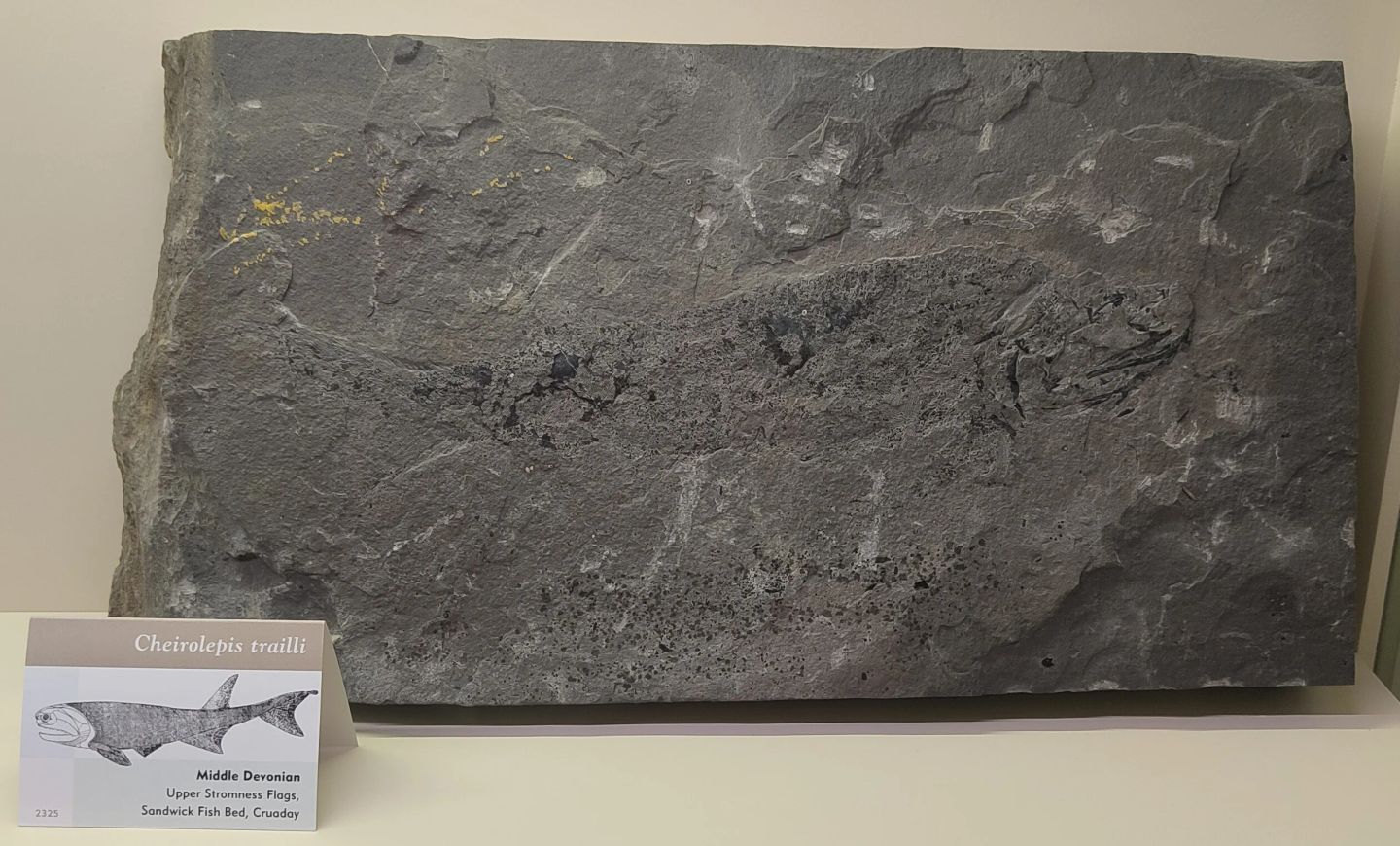
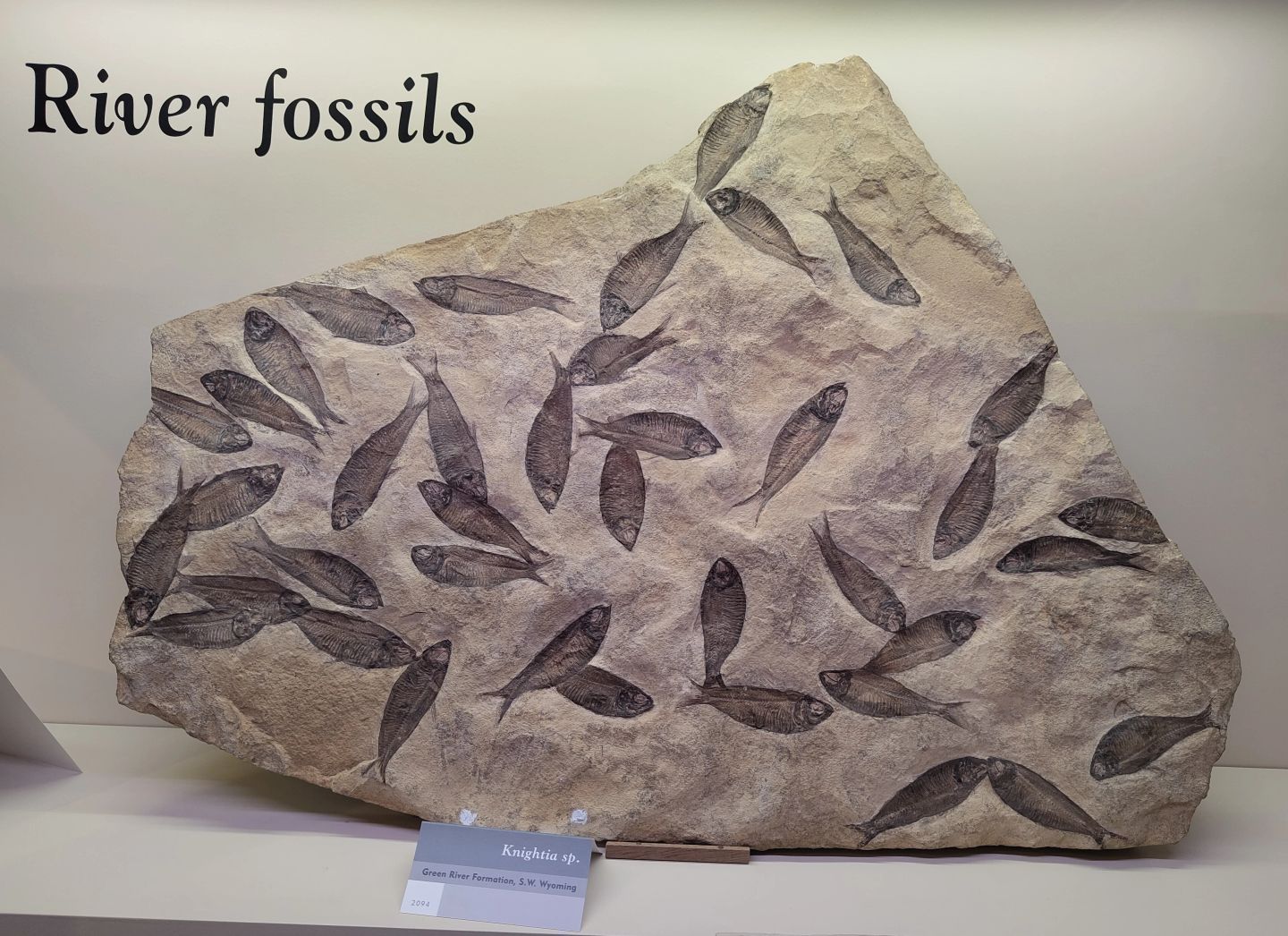
On our last day we went to the Orkney Fossil & Heritage Centre. To no surprise we saw a lot of fossils from the islands (a lot of now extinct fish) but also from around the world to give a more complete picture.\ To illustrate what can be learned from fossils, they explained that finding different fossilized dinosaur eggs in one nest shows that different types of dinosaurs most likely lived together.
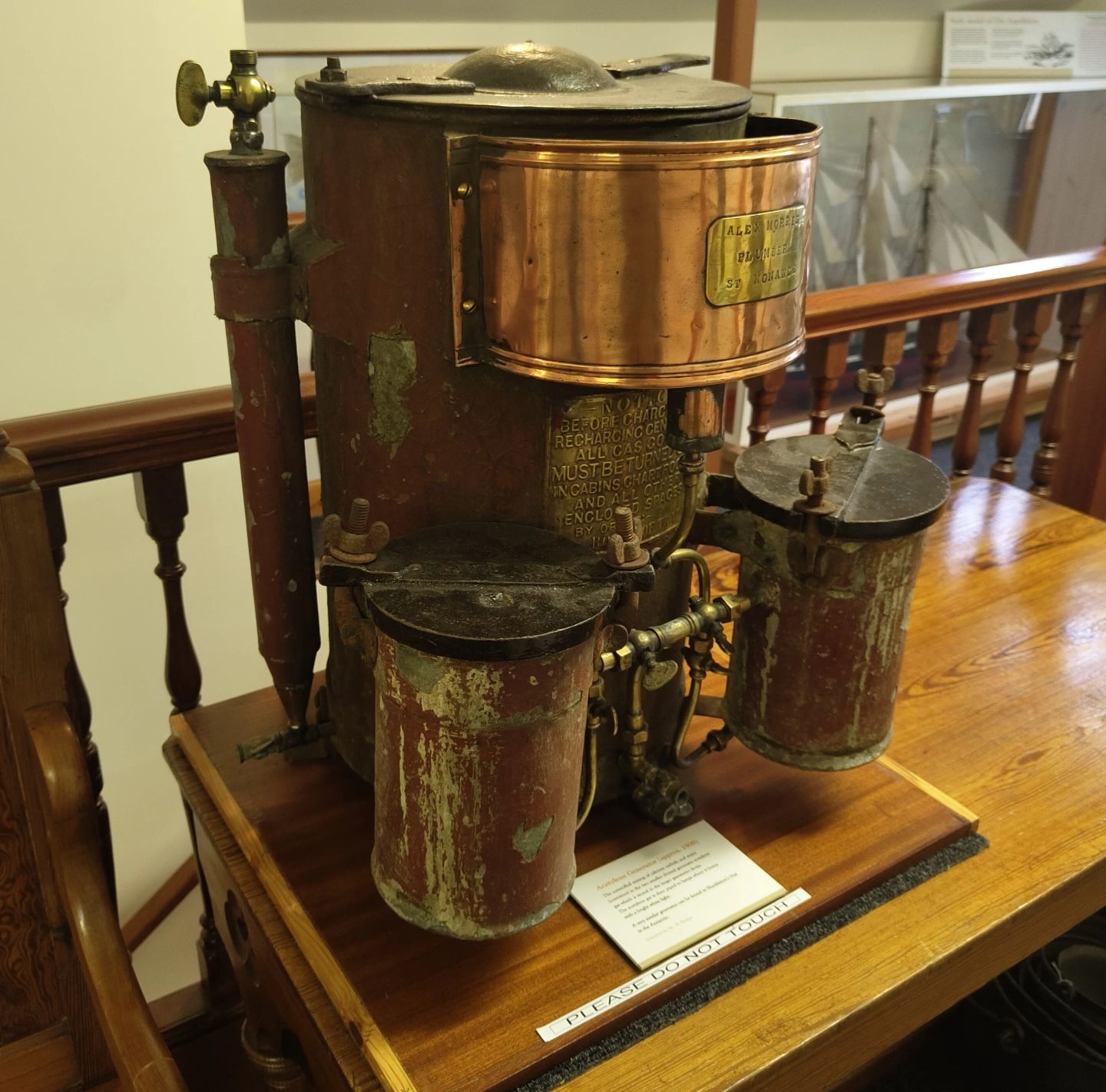
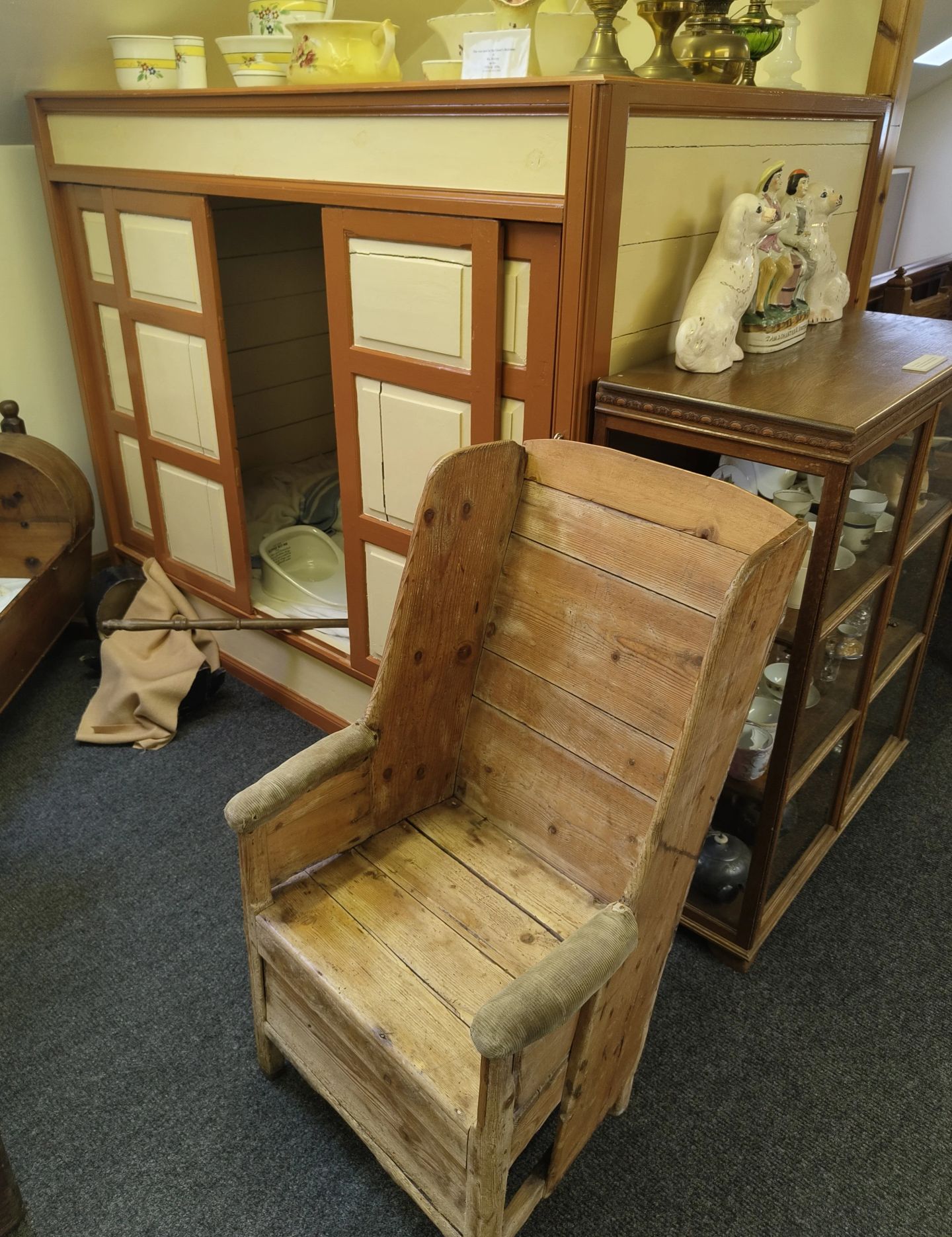
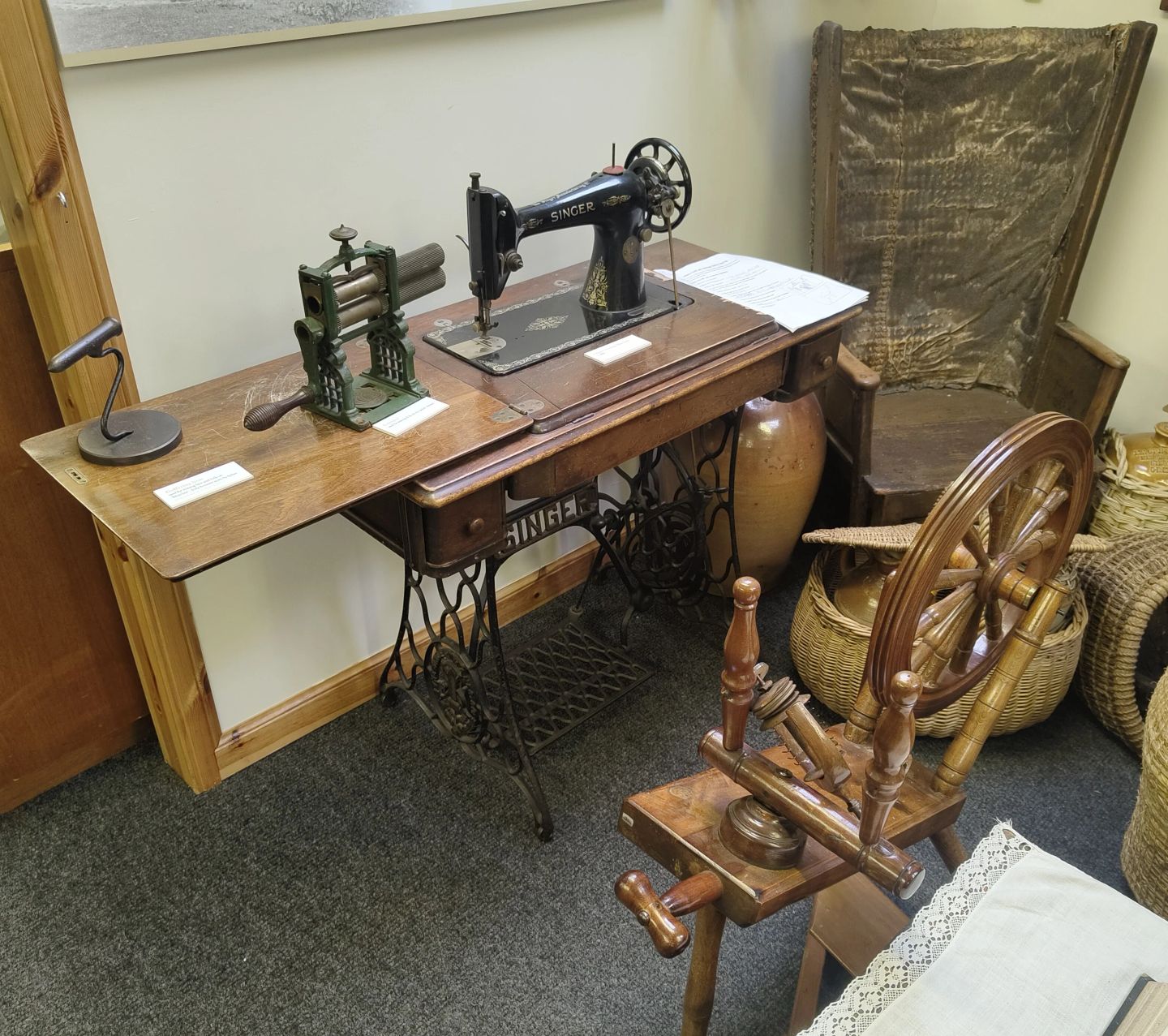
The other part of the exhibition showed traditional objects that one could find a few decades ago on the isles. One item the man at the reception was particularly proud of was an old acetylene generator that apparently worked quite well for producing light before electricity was a widespread thing. But at the same time it tended to explode quite often…
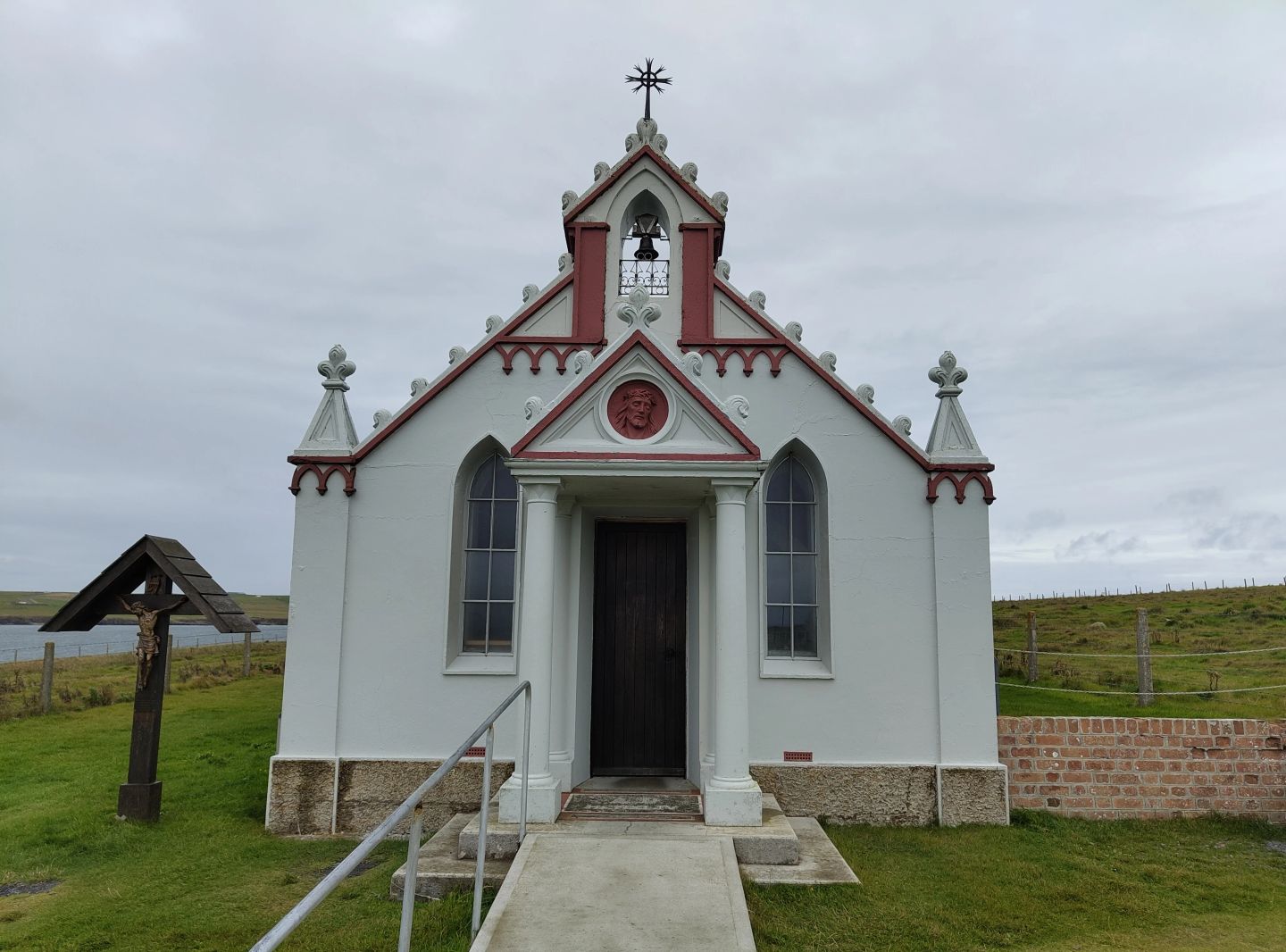
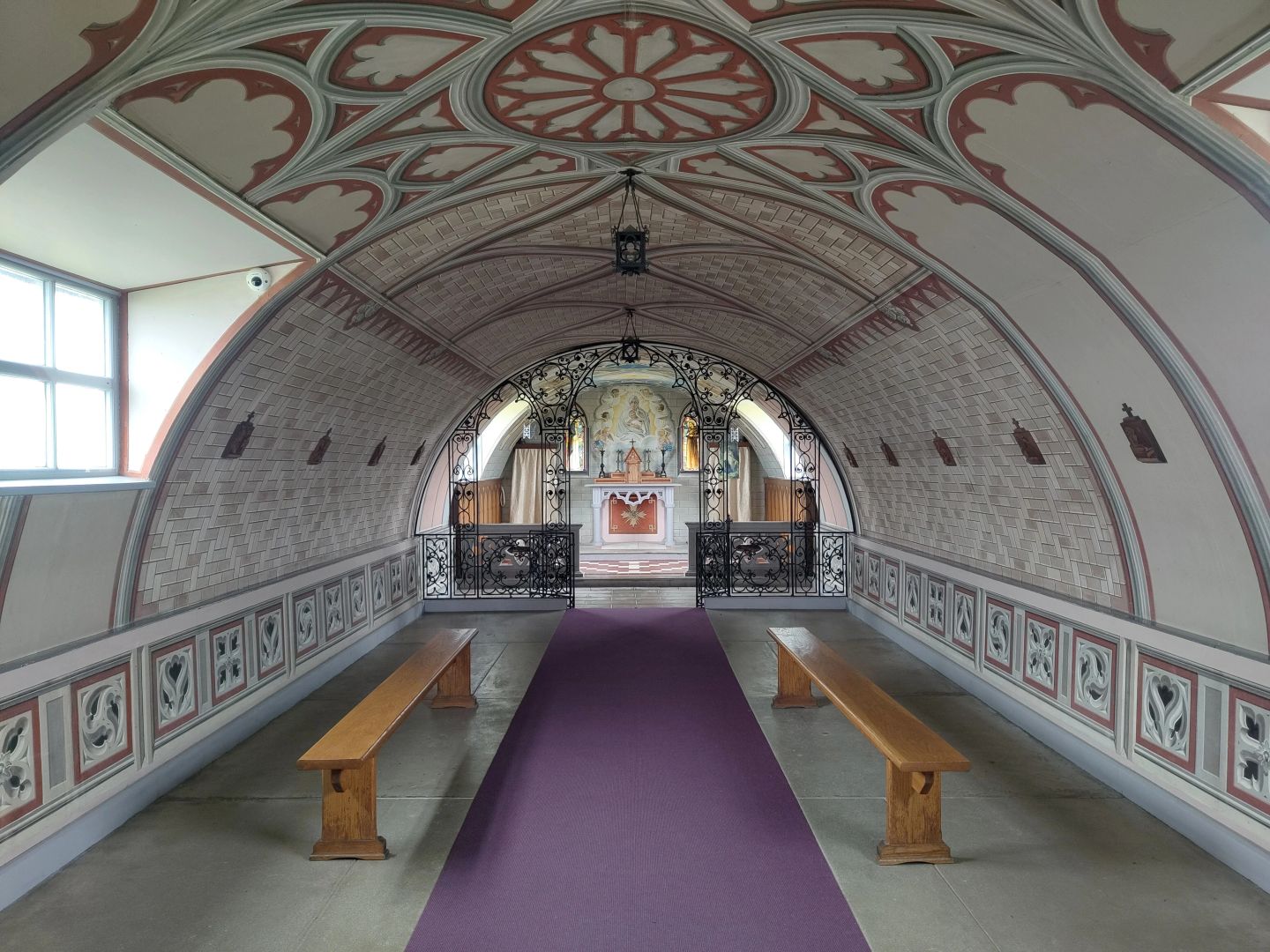
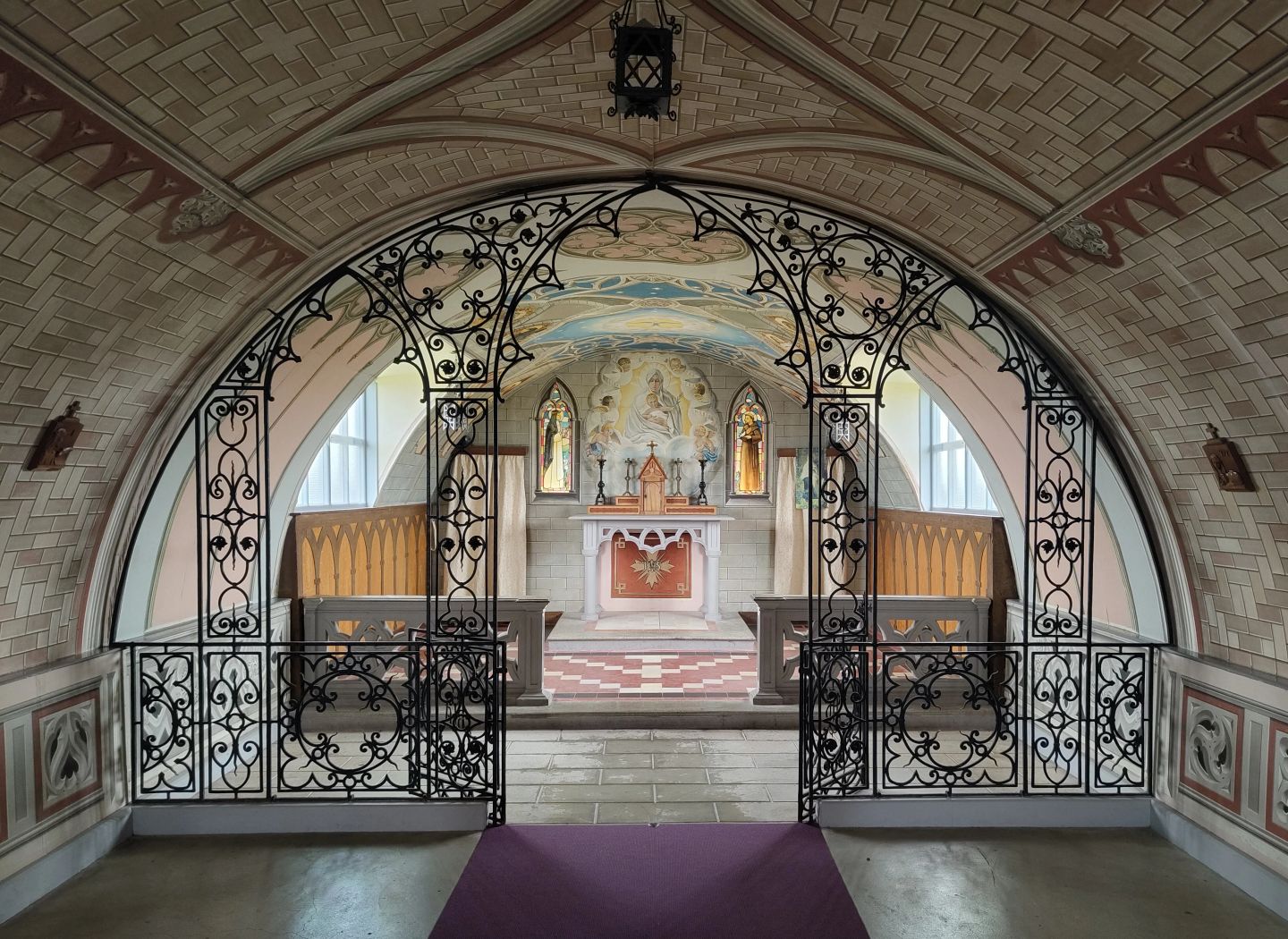
Because we had some time left on the island before the ferry took us back to the Scottish mainland we visited the Italian Chapel.\ Its name stems from the Italian prisoners of war that were forced to work on four causeways (so called Churchill Barriers) that connect some of the islands.\ Domenico Chiocchetti who did most of the interior decoration stayed on the island to finish his work even after his fellow prisoners were released. Now that’s dedication!